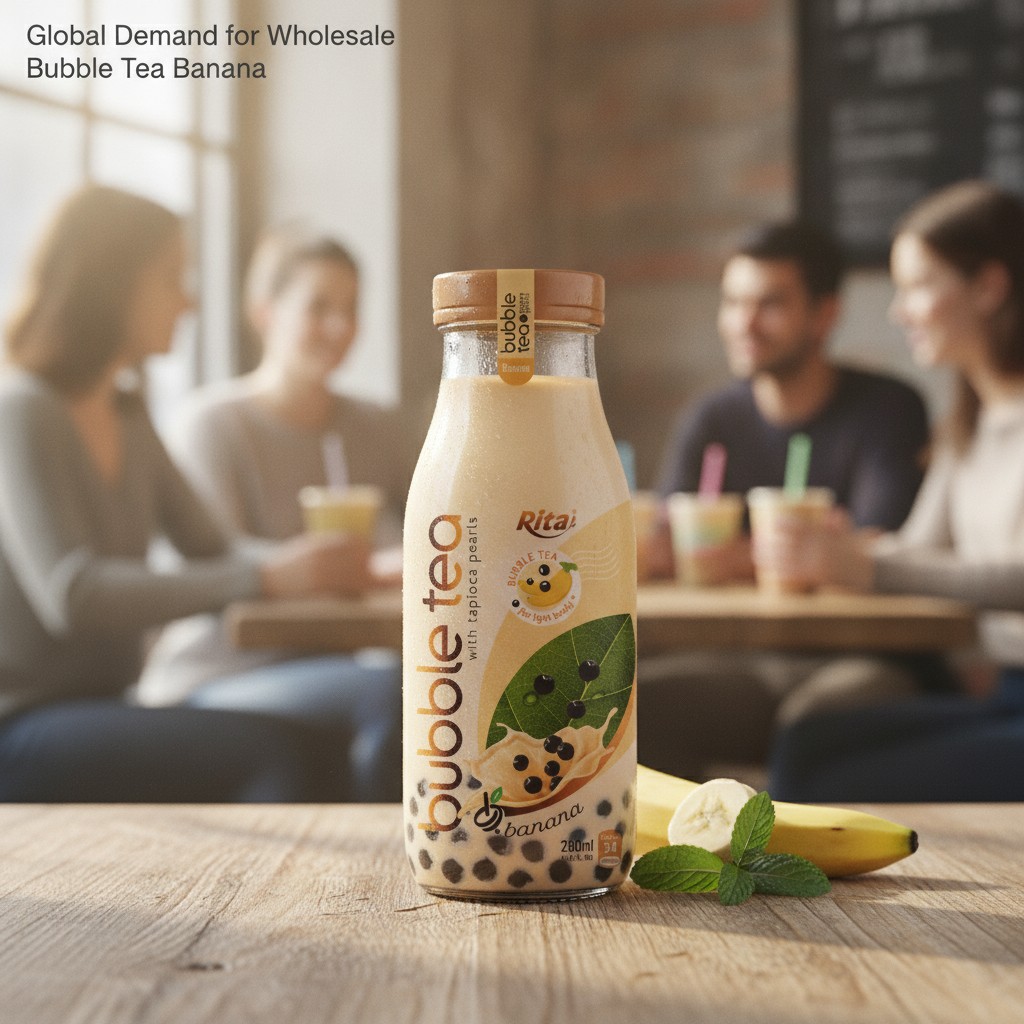
The global bubble tea industry has evolved rapidly, moving beyond traditional milk tea varieties to include innovative fruit-based flavors. Among these, banana-flavored bubble tea has gained traction, driven by consumer interest in tropical twists on classic beverages. For importers and distributors seeking a reliable wholesale bubble tea banana flavor supplier, understanding market dynamics is essential. This article explores key trends in the USA and Europe, highlighting how a wholesale bubble tea banana flavor can fit into growing beverage portfolios.
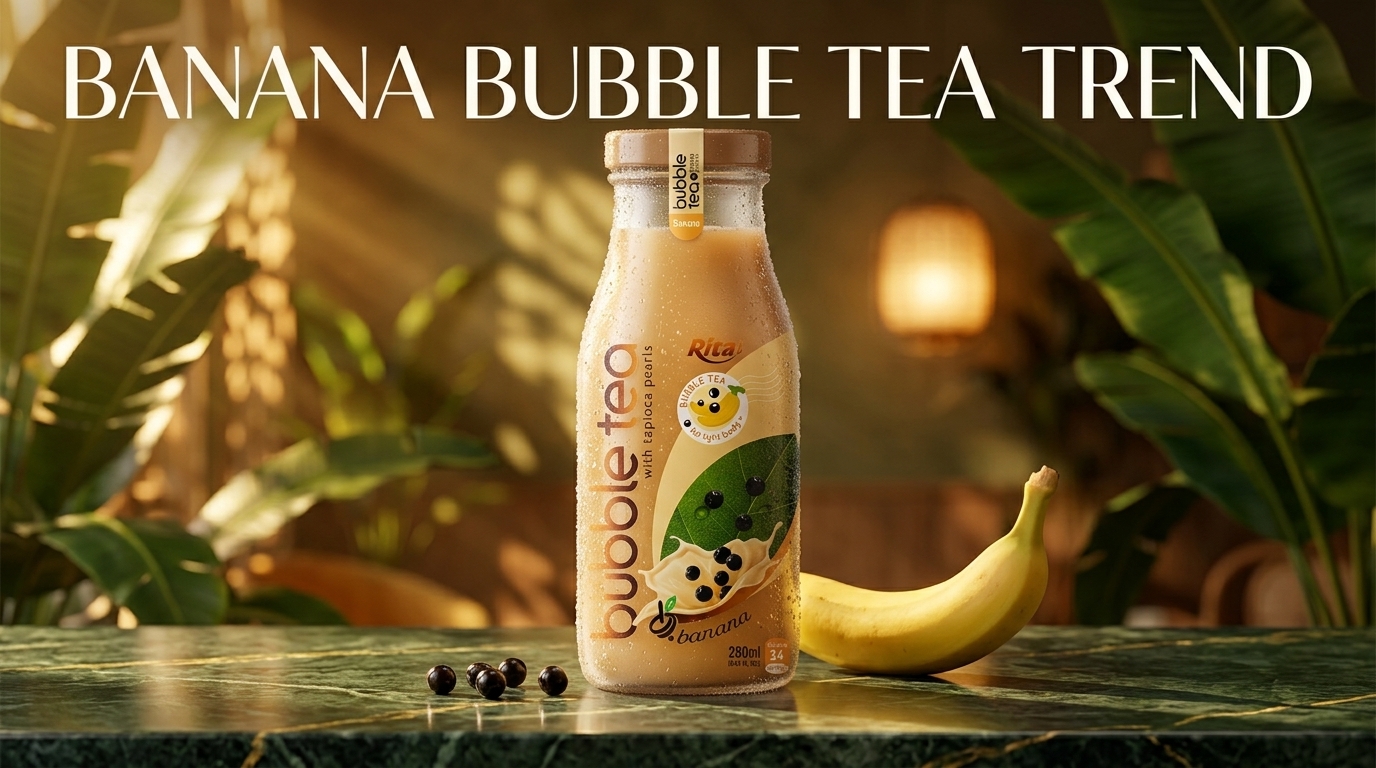
Key Takeaways
- Bubble tea consumption in the USA and Europe is growing at over 15% annually, with fruit flavors like banana emerging as strong subcategories.
- The demand for ready-to-drink (RTD) bubble tea formats creates opportunities for OEM/ODM partnerships with suppliers offering a wholesale bubble tea banana flavor.
- Banana flavor pairs well with tapioca pearls, providing a distinct mouthfeel that appeals to both traditional bubble tea fans and new consumers.
- Regulatory compliance (such as FDA standards in the USA and EU food safety norms) is a critical factor when selecting a bulk bubble tea banana flavor supplier.
- Suppliers like RITA Food & Drink Co., Ltd offer scalable production, custom formulation, and flexible packaging—key advantages for distributors entering this segment.
The Rise of Fruit-Flavored Bubble Tea in the USA
The American bubble tea market has expanded well beyond coastal cities, now reaching midwestern and southern states. According to industry reports, the U.S. bubble tea market was valued at approximately $2.5 billion in 2024 and is projected to grow at over 12% CAGR through 2030. Fruit flavors have become a major driver, with banana, mango, and lychee leading the charge. Banana-flavored bubble tea offers a creamy, naturally sweet profile that resonates with American palates accustomed to banana milkshakes and smoothies.
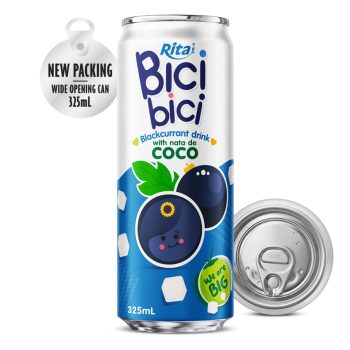
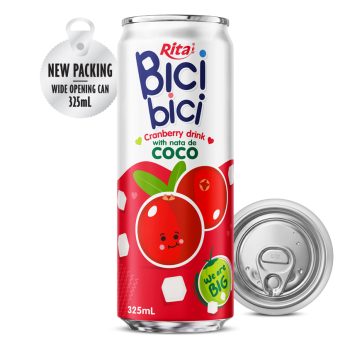
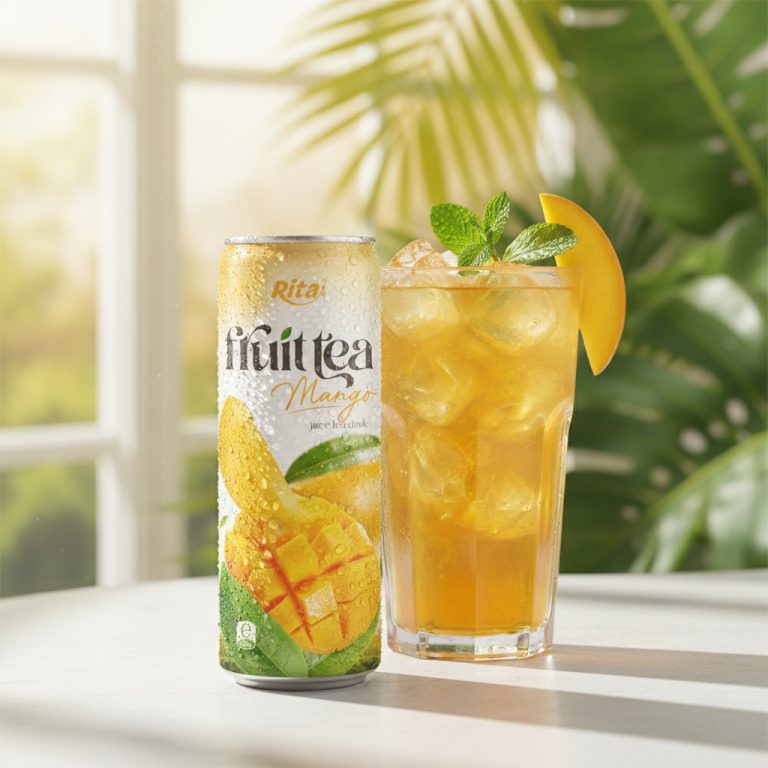
For distributors, sourcing a wholesale bubble tea banana flavor with consistent taste and shelf stability is a priority. Many F&B businesses prefer ready-to-use RTD formats that reduce preparation time. Suppliers like RITA provide such products in aluminum cans or PET bottles, with options for custom sweetening levels and viscosity. The ability to offer a bulk bubble tea banana flavor in various packaging sizes—from 250ml to 500ml—makes it suitable for both retail and foodservice channels.
European Market: Bubble Tea Moves Mainstream
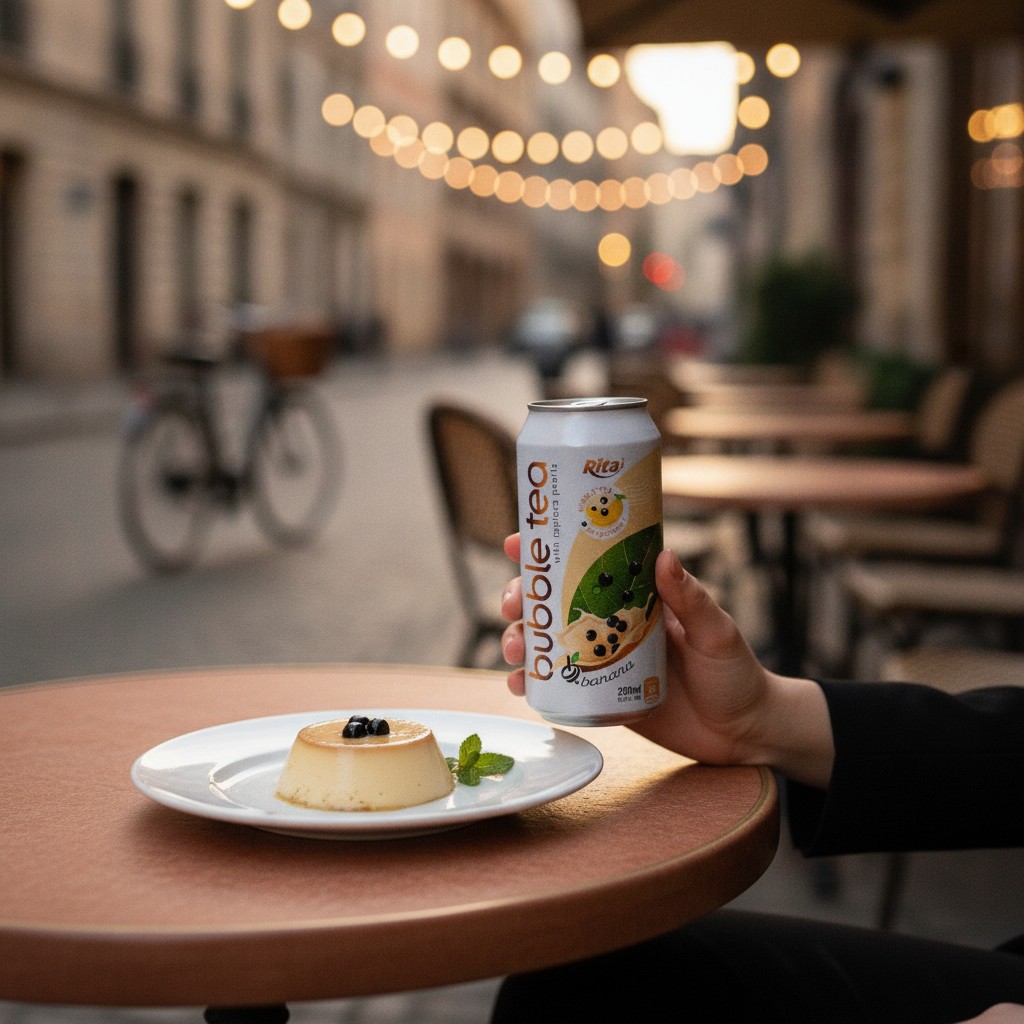
Europe has seen a similar uptick, with the UK, Germany, and France now hosting thousands of bubble tea shops. The European bubble tea market is expected to surpass €1.8 billion by 2027. Consumer interest in exotic flavors has pushed banana-flavored bubble tea into the spotlight, especially among younger demographics looking for Instagram-worthy drinks. However, European regulations require strict adherence to food safety standards, including BRC and FSSC 22000 certifications.
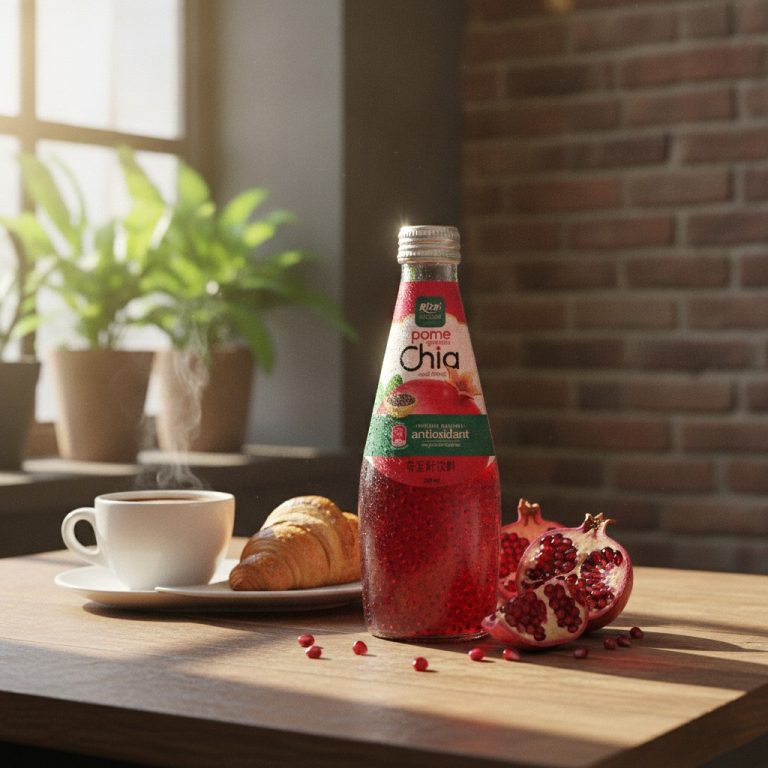
Importers need a wholesale bubble tea banana flavor supplier that can provide full traceability and compliance documents. RITA, for instance, holds multiple certifications (ISO, HACCP, HALAL, BRC, FSSC 22000), which simplify the import process. Their factory in Vietnam operates over 50 production lines with an output of 30,000+ tons annually, ensuring reliable supply for large-scale European distribution. The banana flavor can be customized to meet local taste preferences—for example, adjusting sweetness or adding natural banana puree for a premium positioning.
Why Banana Flavor Resonates with Global Consumers
Banana is one of the most universally accepted fruit flavors. Its creamy texture and natural sweetness create a comforting drinking experience, especially when combined with milk-based tea. Unlike sour or acidic fruit flavors, banana blends smoothly with non-dairy creamer and whole milk powder, producing the thick, velvety mouthfeel that bubble tea lovers expect. Tapioca pearls add a chewy element that contrasts with the smooth liquid, enhancing the overall sensory appeal.
This flavor profile makes the product ideal for both standalone consumption and as a base for customized toppings (e.g., pudding, jelly, or popping boba). Bakery chains, coffee shops, and convenience stores can easily incorporate a banana bubble tea wholesale option into their menu without requiring additional equipment or training. The RTD format eliminates the need for breweries or tea machines, lowering the entry barrier for F&B operators.
Supply Chain Advantages from Vietnam-Based Manufacturers
Vietnam has emerged as a key sourcing destination for beverage manufacturers due to its competitive production costs, abundant raw materials (including tea and tropical fruits), and strong trade agreements with the US and EU. RITA Food & Drink Co., Ltd exemplifies these advantages. Established in 2004, the company operates a 30,000 sqm factory with over 500 employees. It partners with 100 cooperative farms to secure a steady supply of ingredients like tea leaves and fruits. Their capacity reaches 1,200 containers per month, ensuring timely fulfillment for large orders.
For a wholesale bubble tea banana flavor, RITA offers OEM/ODM services that cover recipe development, packaging design, and private labeling. MOQ can be tailored to the client’s scale, making it feasible for both emerging brands and established distributors. Packaging choices include aluminum cans (200ml–500ml), PET bottles (400ml–2L), glass bottles, and PP containers, all compatible with standard retail or foodservice logistics.
Market Entry Strategies for Importers and Distributors
To capitalize on the bubble tea trend, distributors should focus on channel targeting. In the USA, specialty beverage stores, Asian grocery chains, and online retailers are primary channels. In Europe, foodservice partners (e.g., bubble tea chains, cafes, and university canteens) drive volume. A banana-flavored bubble tea can be positioned as a nostalgic yet modern drink, appealing to both bubble tea enthusiasts and casual consumers.
Key selling points include:
- 100% real black tea leaves as a base, offering authentic tea flavor.
- Non-dairy creamer and whole milk powder for a creamy, dairy-free profile (suitable for lactose-intolerant consumers).
- Banana flavor derived from natural sources, aligning with clean-label trends.
- Tapioca pearls included in the mix—no separate cooking required.
- Shelf life of 9–12 months in ambient conditions, simplifying inventory management.
Distributors can leverage RITA’s existing certifications (HALAL for Middle East expansion, KOSHER, USDA Organic, EU Organic) to access multiple markets with the same stock keeping unit. The company also partners with freight forwarders experienced in cold chain logistics where necessary, though the product does not require refrigeration.
Competitive Landscape and Differentiation
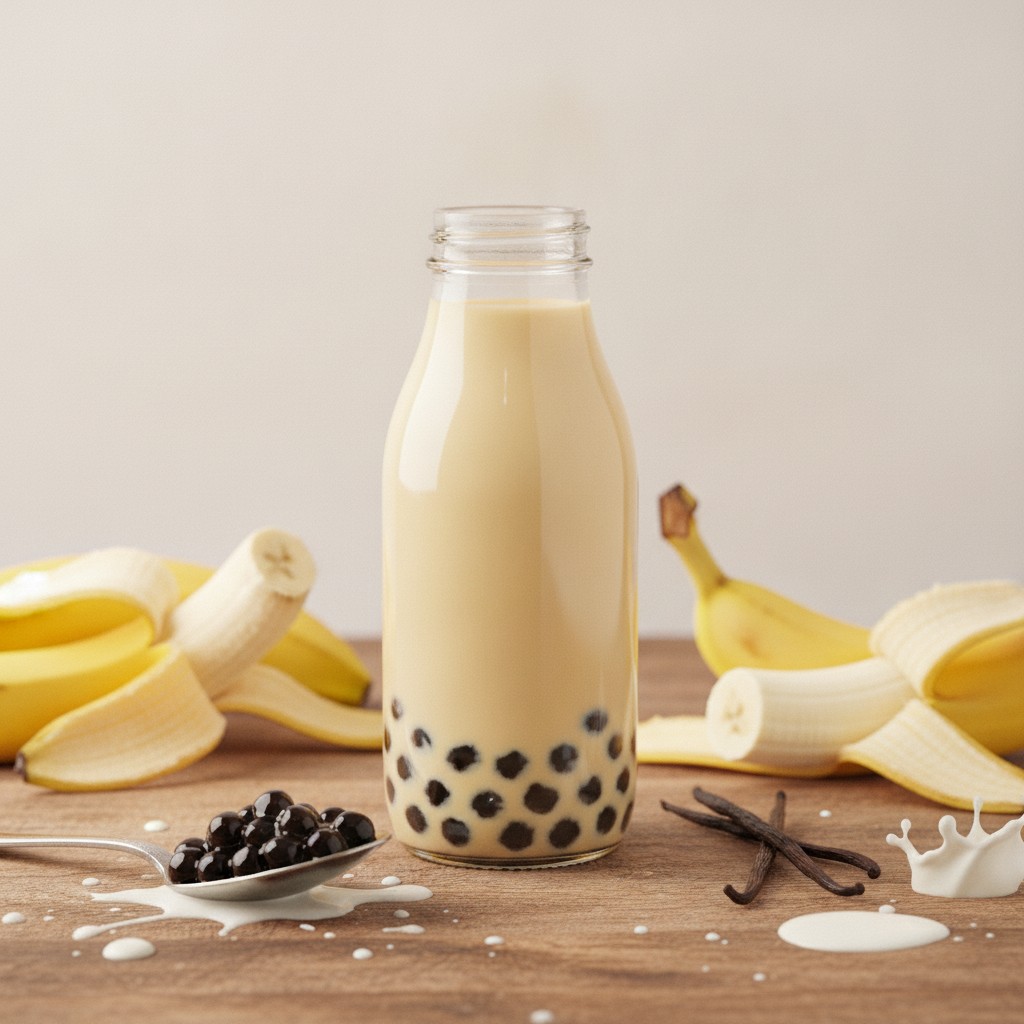
The bubble tea category is crowded, but banana flavor remains an underpenetrated niche. Most large suppliers focus on classic flavors like taro, matcha, or brown sugar, leaving room for banana to differentiate. RITA’s formulation uses real tea leaves rather than tea powder, which yields a fuller flavor. The inclusion of tapioca pearls in the same package (as opposed to separate sachets) simplifies preparation and reduces waste—a selling point for foodservice operators.
Another differentiator is the supplier’s ability to offer private label solutions. A distributor can launch a banana bubble tea with tapioca pearls under its own brand, controlling margins and brand identity. RITA’s R&D team can adjust sweetness (from 0% to 20%), add natural flavors, or modify viscosity. This flexibility is critical for brands that want to target specific demographic segments, such as health-conscious consumers (low sugar) or kids (extra sweet).
Future Outlook and Sustainability Considerations
As the bubble tea market matures, sustainability will become a purchase criterion. RITA uses recyclable packaging materials and has invested in energy-efficient production lines. Some clients opt for reduced-plastic packaging or aluminum cans, which have higher recycling rates. Banana flavor, being a fruit variant, aligns with the clean-label movement—consumers perceive it as more natural than synthetic flavors.
Looking ahead, banana bubble tea could expand into seasonal offerings or limited-time collaborations (e.g., banana splits, banana pudding). Suppliers with strong R&D, like RITA, can quickly turn these concepts into producible SKUs. For distributors, locking in a supply agreement now can secure favorable pricing and priority production slots as demand rises.
Frequently Asked Questions
What is the typical MOQ for a wholesale bubble tea banana flavor?
Minimum order quantities vary by supplier, but RITA offers flexible MOQ that can accommodate both startup and high-volume orders. Typical MOQ may start at 1,000 units for stock packaging and scale down for plain packaging trials.
Does the banana bubble tea with tapioca pearls require refrigeration?
No, the RTD format is shelf-stable under ambient conditions. Once opened, refrigeration is recommended, but the unopened product has a shelf life of 9–12 months, depending on packaging.
Can the banana flavor be customized to lower sugar or natural sweeteners?
Yes, suppliers like RITA offer OEM/ODM services that allow adjustment of sweetness levels, including the use of stevia, erythritol, or sugar reduction. The banana flavor itself can be natural or natural-identical based on target market regulations.
Which certifications should I look for when sourcing bubble tea from Vietnam?
Key certifications include ISO 22000, HACCP, BRC, FSSC 22000, HALAL, KOSHER, and organic (USDA, EU). RITA holds all of these, ensuring smooth entry into USA, Europe, and Middle East markets.
What packaging options are available for banana bubble tea wholesale?
Common options include aluminum cans (200ml–500ml), PET bottles (400ml–2L), glass bottles, and PP containers. Custom designs and private labeling are available through OEM/ODM programs.