The global beverage industry continues to witness a surge in demand for ethnic and culturally authentic drinks, with horchata emerging as a standout category. Traditionally enjoyed in Latin America and Spain, horchata—a creamy, cinnamon-infused rice-based drink—has crossed borders to captivate consumers in the United States and Europe. For importers, distributors, and wholesalers seeking a horchata beverage wholesale supplier, understanding market dynamics and sourcing capabilities is essential for capitalizing on this trend. This article provides an in-depth analysis of the horchata market in the US and Europe, explores supply chain considerations, and highlights how products like the 500ml Can Horchata Mix Cinnamon can serve as a strategic addition to your portfolio.
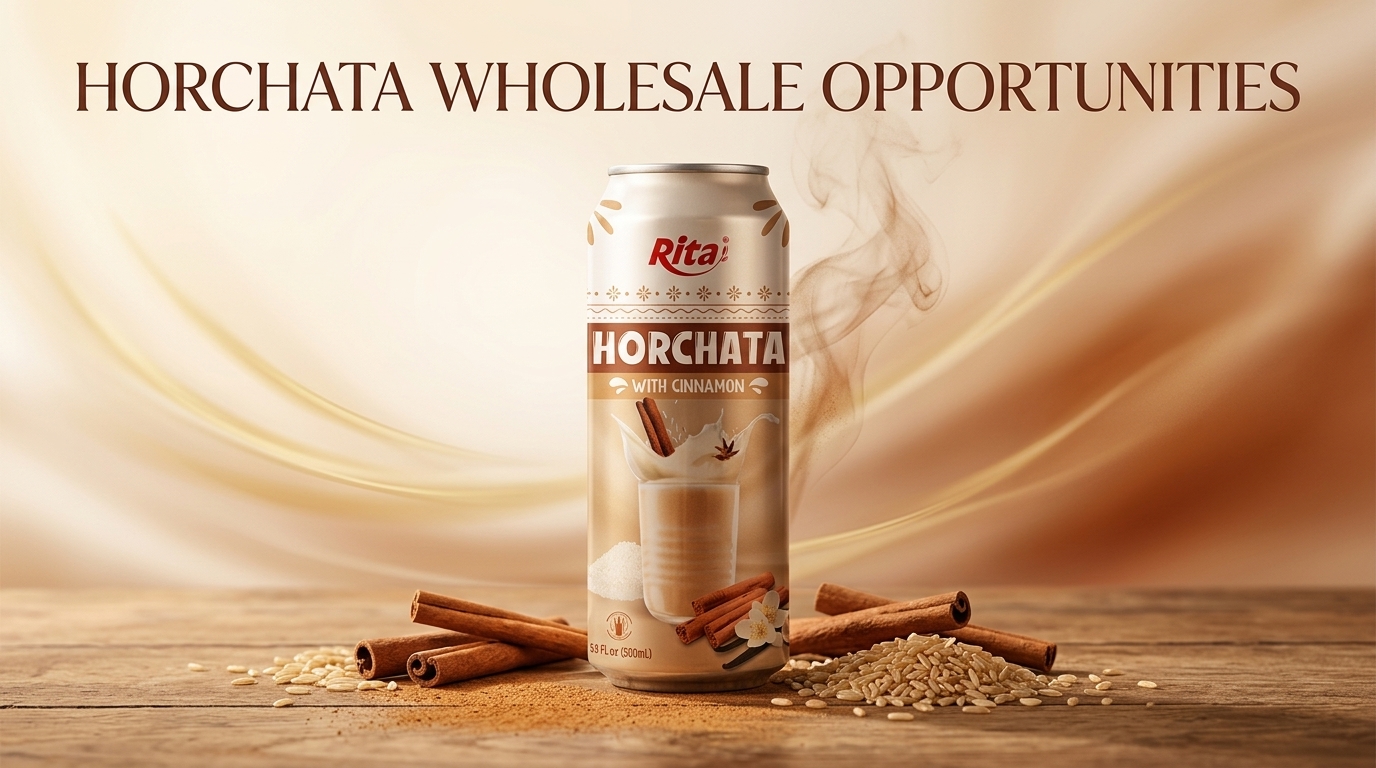
As consumer palates become more adventurous, ready-to-drink (RTD) horchata offers convenience without sacrificing authenticity. The product under discussion—a blend of brown rice and exotic cinnamon with a delicate sweetness—exemplifies the balance of traditional flavor and modern packaging that appeals to both retail and foodservice channels. This article is designed for F&B businesses, importers, and distributors looking to navigate the opportunities in horchata distribution, with a focus on private label and OEM solutions.
Key Takeaways
- The US horchata market is growing at over 8% annually, driven by Hispanic population growth and mainstream interest in ethnic beverages.
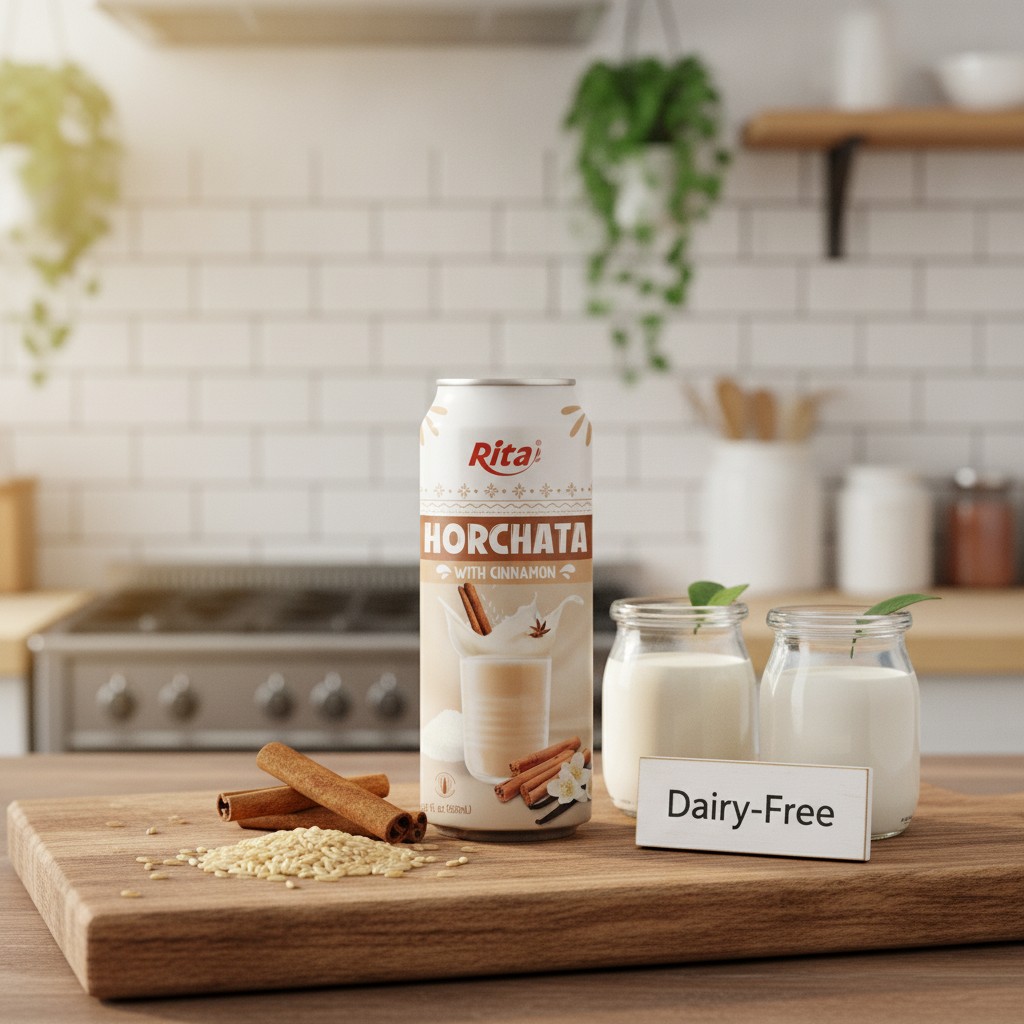
- In Europe, horchata de chufa remains popular, but rice-based horchata variants are gaining traction among health-conscious consumers seeking dairy-free options.
- Partnering with a reliable horchata beverage wholesale supplier like RITA enables flexible OEM/ODM services, competitive pricing, and scalable production.
- 500ml aluminum cans provide ideal shelf presence and convenience for on-the-go consumption, a key format for both US and European markets.
- Sourcing from Vietnam offers cost advantages and access to high-quality ingredients, supported by international certifications (HALAL, BRC, FSSC 22000).
US Horchata Market Trends and Consumer Demand
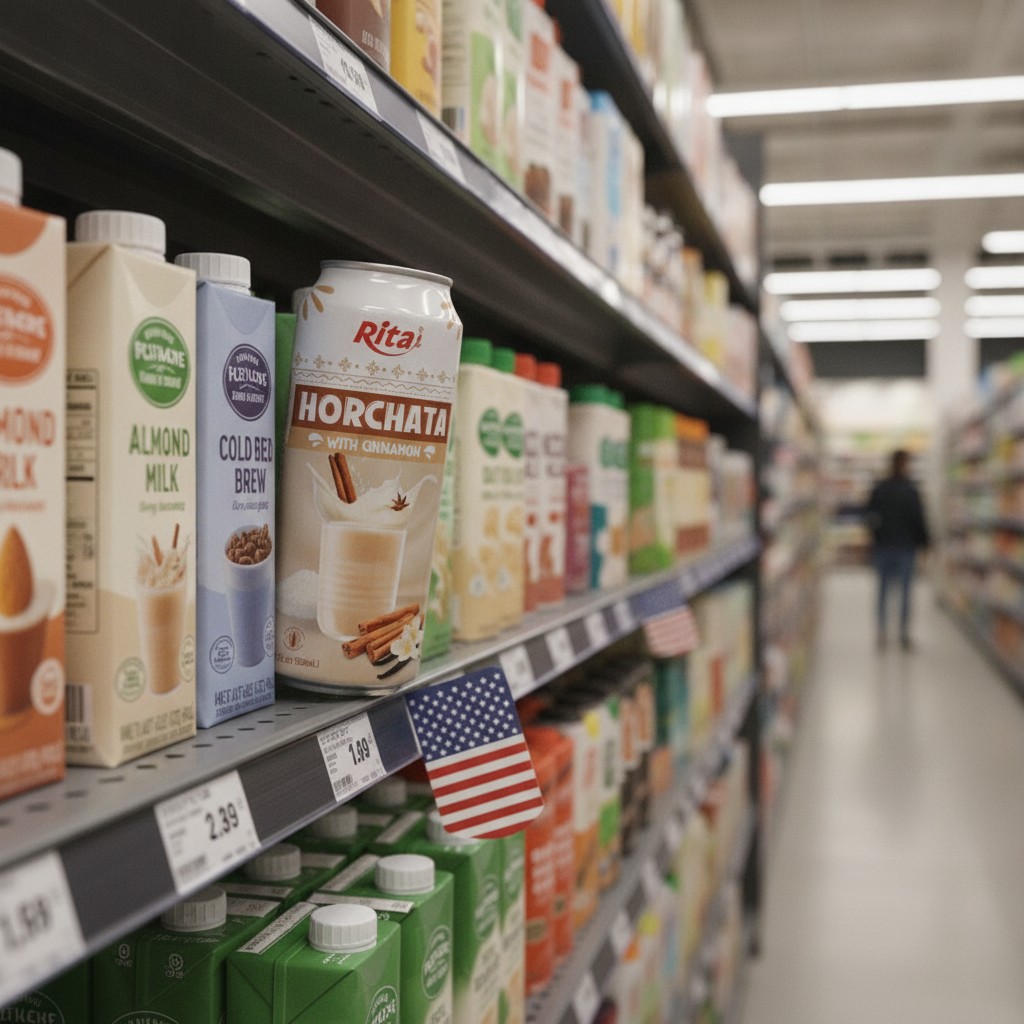
The United States represents one of the largest markets for horchata outside Latin America. With a Hispanic population exceeding 60 million and increasing exposure to Latin cuisine through foodservice chains, horchata has become a staple in many households. According to industry reports, the RTD horchata segment is expanding as consumers seek authentic, creamy beverages that can be enjoyed at home or on the go. The cinnamon notes and light sweetness of horchata align perfectly with American preferences for comforting, dairy-like drinks without actual dairy.
Retailers and foodservice operators are increasingly incorporating horchata into their menus. Coffee shops, for instance, use horchata as a base for lattes and frappes, while supermarkets stock canned or bottled versions alongside other plant-based beverages. For importers, the 500ml can format offers a convenient single-serve option that fits both multipacks and individual sales. The product’s brown rice base ensures a smooth texture, making it a versatile ingredient for mixology and culinary applications. A horchata beverage wholesale supplier can provide custom formulations, adjusting sweetness levels and cinnamon intensity to match local tastes.
Key Drivers for US Market Growth
- Rising Hispanic population and cultural authenticity demand
- Growing interest in dairy-free and plant-based beverages
- Expansion of Latin American cuisine in mainstream foodservice
- Convenience of RTD packaging in cans and PET bottles
Distributors looking to import horchata must consider labelling, shelf life, and storage requirements. The 500ml can horchata mix cinnamon typically offers a shelf life of 12–18 months when stored properly, ideal for long sea freight from Vietnam. MOQ for private label orders from RITA can be as low as one container, with flexible packaging options including can, PET, and glass. This allows even mid-sized importers to test the market without excessive commitment.
European Market Opportunities for Horchata Imports
Europe has a long tradition with horchata de chufa (tiger nut milk) in Spain, but rice-based horchata is gaining momentum, particularly in the UK, Germany, and the Netherlands. The European demand for exotic and plant-based beverages is strong, with consumers seeking alternatives to soy and almond milk. Horchata’s unique flavor profile—creamy, sweet, and spiced—differentiates it from standard plant milks. The 500ml can is particularly popular in convenience stores and vending machines across Europe, where portion control and portability matter.
Importers targeting Europe must ensure compliance with EU food safety regulations and obtain necessary certifications. RITA holds BRC, FSSC 22000, and HALAL certificates, meeting the strictest European standards. The company also offers HALAL-certified variants, crucial for markets with significant Muslim populations such as France and Germany. By partnering with a horchata beverage wholesale supplier that already has European certifications, importers reduce time-to-market and regulatory hurdles.
Horchata in European Foodservice
- Ideal for coffee shops and tea houses as a base for signature drinks
- Complements dessert menus and bakery applications
- Suitable for vegan and lactose-intolerant consumers
- Can be marketed as a “superfood” alternative (avoid health claims – focus on ingredient transparency)
The 500ml can horchata mix cinnamon from RITA is manufactured in Vietnam with high-quality brown rice and cinnamon sourced from sustainable suppliers. The production facility spans 30,000 m² with over 50 production lines, capable of producing 1,200 containers monthly. This scale ensures consistent quality and on-time delivery, which are critical for European buyers who expect reliable supply chains. For distributors interested in private label, RITA provides complete OEM/ODM services from concept to finished product, including custom label design and ingredient adjustments.
Supply Chain and Sourcing Considerations for Horchata Importers
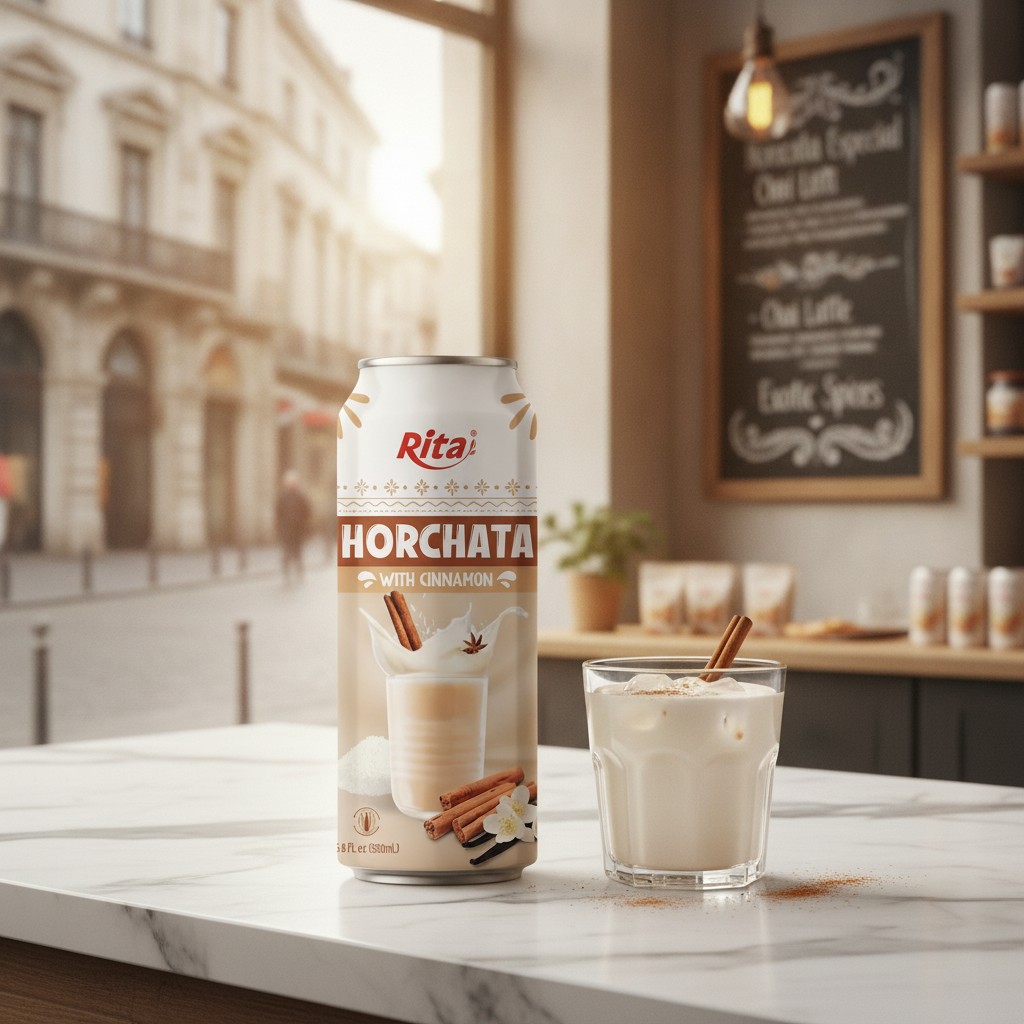
Sourcing horchata from Vietnam offers several advantages. First, the country has a strong tradition of rice cultivation, ensuring a stable supply of high-quality brown rice. Second, Vietnamese manufacturers like RITA have deep experience exporting to over 100 countries, so they understand documentation, packaging standards, and logistics requirements for both the US and Europe. Third, labor and production costs remain competitive, allowing importers to achieve attractive margins.
When evaluating a horchata beverage wholesale supplier, key factors include: minimum order quantity (MOQ), packaging options, lead times, and certifications. RITA’s MOQ for OEM/ODM orders is flexible, starting from one 20-foot container. For the 500ml can format, a typical container holds around 20,000–25,000 cans depending on palletization. Lead time from order to shipment is approximately 25–30 days, enabling quick market entry. The company also supports sample development, allowing importers to test the product before committing to large volumes.
Packaging and Customization
- Aluminum cans: 200ml, 250ml, 320ml, 330ml, 500ml
- PET bottles: 400ml, 450ml, 500ml, 1L, 1.5L
- Glass bottles: 250ml, 280ml, 265ml, 290ml, 315ml, 470ml, 490ml
- PP bottles: 250ml, 330ml, 500ml, 1L, 1.5L, 2L
- Custom formulations: sweetness, cinnamon intensity, creaminess level
For distributors focusing on the US market, the 500ml can is ideal for main retail shelves and vending machines. In Europe, the 330ml can might be preferred for single-serve impulse purchases. RITA’s ability to adjust package size and design makes it a versatile partner. The horchata mix can also be supplied as a concentrate for foodservice, allowing operators to prepare fresh drinks on-site. This B2B flexibility is a key value proposition for importers serving different channels.
Private Label and OEM Opportunities with Vietnamese Suppliers
Private labeling is a proven strategy for building brand equity without investing in manufacturing. Many beverage distributors prefer to market horchata under their own brand, differentiating through packaging and positioning. A horchata beverage wholesale supplier with OEM capabilities can produce the same high-quality base while applying the buyer’s label, artwork, and even custom formulation.
RITA’s OEM service covers every step: market research, concept development, formula creation, production, packaging design, and logistics. The company has a dedicated R&D team that can replicate traditional horchata recipes or innovate with new flavor combinations (e.g., horchata with vanilla, horchata with cocoa). For importers targeting the US Hispanic market, authenticity is crucial; RITA’s formulation is based on the classic Latin American horchata, using brown rice and real cinnamon, without artificial flavors.
Certifications as a Competitive Advantage
- ISO, HACCP, HALAL, KOSHER, BRC, FSSC 22000, USDA Organic, EU Organic, SMETA/BSCI
- Allergen control and traceability systems
- Regular third-party audits
Having these certifications simplifies entry into both US and European markets, where retailers and food safety authorities demand high standards. Importers can save significant time and money by partnering with a pre-certified manufacturer. Moreover, RITA’s track record as one of Vietnam’s top beverage exporters gives buyers confidence in supply stability.
Strategic Insights for Distributors and Importers
To succeed in the horchata market, distributors should focus on education and sampling. Since horchata is still relatively niche compared to mainstream drinks, in-store demonstrations, foodservice trials, and digital marketing can accelerate adoption. The product’s natural cinnamon flavor and creamy texture make it a great base for seasonal promotions, such as horchata pumpkin spice in fall or horchata cold brew in summer.
For importers evaluating the 500ml Can Horchata Mix Cinnamon, consider it as a model for how traditional beverages can be modernized for global distribution. The can format is tamper-proof, lightweight, and recyclable—attributes that resonate with environmentally conscious consumers in both the US and Europe. Additionally, the product’s ingredients are straightforward: water, brown rice, sugar, cinnamon, and natural flavors—appealing to clean-label trends.
Another emerging opportunity is the foodservice channel. Many coffee chains are looking to differentiate their menus with unique milk alternatives. Horchata can be used as a dairy substitute in lattes, smoothies, and desserts. Distributors who can supply both retail cans and bulk foodservice packages will have a competitive edge. RITA offers bulk packaging options for foodservice, such as 1L aseptic cartons or bag-in-box concentrates.
Conclusion
The horchata market in the United States and Europe is poised for continued expansion, driven by demographic shifts, adventurous consumers, and the rising demand for plant-based beverages. For importers, distributors, and wholesalers, partnering with a reliable horchata beverage wholesale supplier is the key to capturing this opportunity. The 500ml Can Horchata Mix Cinnamon from RITA Food & Drink represents a ready-to-market product that combines authentic flavor with scalable production capabilities.
Whether you are looking to launch a private label brand, expand your procurement portfolio, or enter the foodservice sector, RITA’s OEM/ODM services, flexible MOQ, and international certifications make it a strategic partner. To explore this product further, visit the product page and review specifications, packaging options, and sample request procedures. The global beverage landscape is evolving—horchata is a trend worth investing in.
Frequently Asked Questions
What is the typical MOQ for importing 500ml horchata cans from Vietnam?
Most Vietnamese suppliers like RITA offer a minimum order quantity of one 20-foot container, which holds approximately 20,000 to 25,000 500ml cans. For private label orders, MOQ can be adjusted based on packaging and formulation requirements.
What certifications should I look for in a horchata beverage wholesale supplier for the US market?
For the US market, look for certifications such as FDA registration, HALAL (if targeting Muslim consumers), and preferably BRC or FSSC 22000 for food safety. Organic certifications (USDA Organic) can also be a differentiator. RITA holds BRC, FSSC 22000, HALAL, and USDA Organic.
Can I customize the sweetness or cinnamon level in the horchata mix?
Yes. OEM/ODM suppliers like RITA offer custom formulation services. You can adjust the sugar content, cinnamon intensity, creaminess, and even add other flavors like vanilla or cocoa. Minimum order quantities for custom formulations are typically the same as standard products.
What is the shelf life of canned horchata mix?
Canned horchata mix, when stored in a cool, dry place away from direct sunlight, typically has a shelf life of 12 to 18 months from the production date. Always check the specific lot code on the packaging.
Is the 500ml can format suitable for vending machines and retail?
Absolutely. The 500ml aluminum can is a popular size for single-serve beverages in vending machines, convenience stores, and supermarkets. It offers good portion size and is easy to stack and display. Many importers also use 330ml cans for vending.