
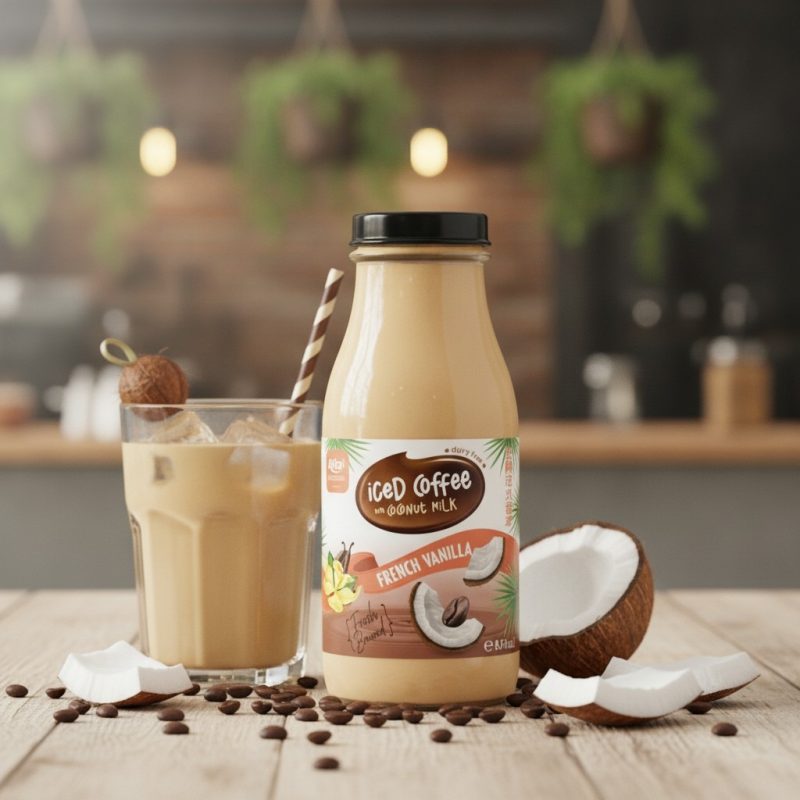
The global ready-to-drink (RTD) coffee market continues to experience robust growth, driven by shifting consumer preferences toward convenience, premium experiences, and plant-based ingredients. Among the most dynamic subcategories is dairy-free iced coffee, with coconut milk emerging as a preferred base for its creamy texture and complementary flavor profile. For importers, distributors, and private label buyers, understanding the wholesale potential of iced coffee with coconut milk is essential for capturing market share in North America and Europe.
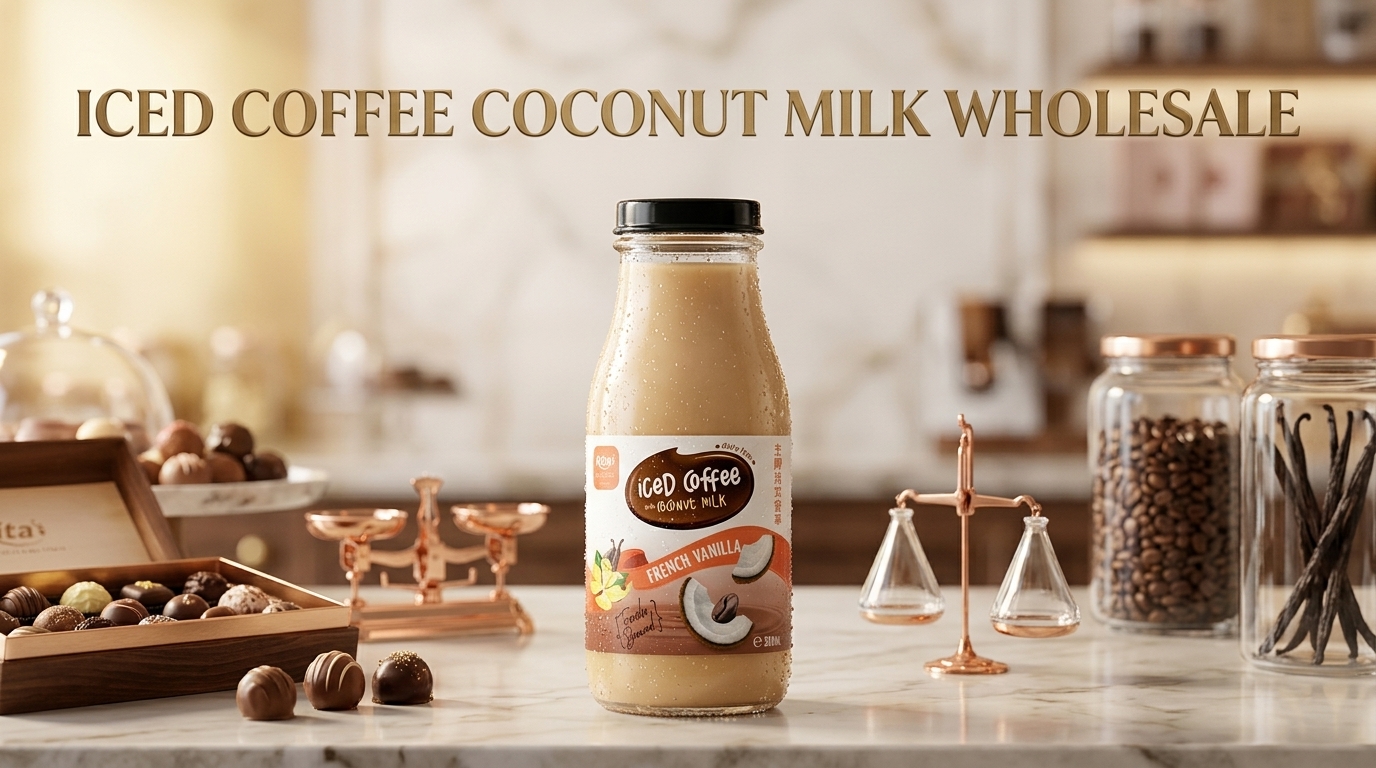
Key Takeaways
- The iced coffee with coconut milk wholesale market is expanding rapidly in the USA and Europe due to rising demand for dairy-free and indulgent RTD beverages.
- Glass bottle packaging enhances product perception, aligns with sustainability goals, and is favored by premium and eco-conscious consumers.
- Vietnam-based manufacturers like Rita Food & Drink offer scalable OEM/ODM solutions, providing cost-effective entry into the global RTD coffee segment.
- French vanilla flavor with coconut milk creates a unique positioning that differentiates products in crowded retail shelves.
- Early movers can leverage iced coffee with coconut milk wholesale partnerships to build brand loyalty and secure long-term supply agreements.
Market Dynamics Driving Dairy-Free Iced Coffee Demand
Consumer interest in plant-based diets has moved beyond milk alternatives into every beverage category. In the USA, the dairy-free RTD coffee segment has grown at a compound annual rate of nearly 12% over the past three years. European markets, particularly the UK, Germany, and France, show similar momentum as flexitarian and lactose-intolerant consumers seek convenient, flavorful options.
The appeal of coconut milk lies in its natural sweetness and silky mouthfeel, which pairs exceptionally well with coffee. Unlike almond or oat milk, coconut milk provides a distinct tropical note that elevates the sensory experience. This makes iced coffee with coconut milk wholesale a strategic category for brands aiming to offer innovative, globally inspired flavors.
Retailers are responding by expanding shelf space dedicated to premium bottled coffees. The shift from multi-serve refrigerated formats to single-serve shelf-stable glass bottles is particularly evident in convenience and specialty grocery channels. A product such as the Iced Coffee with Coconut Milk French Vanilla in 9.5 fl oz glass bottle exemplifies this trend, offering a self-contained, ready-to-enjoy experience without refrigeration.
Why Glass Bottle Packaging Dominates Premium Coffee Positioning
In the FMCG beverage sector, packaging is a silent salesperson. Glass bottles are increasingly preferred for premium RTD coffees because they preserve flavor integrity, are infinitely recyclable, and convey a high-quality image. For iced coffee with coconut milk wholesale buyers, glass packaging reduces the risk of flavor migration from plastic or aluminum, ensuring the delicate vanilla and coconut notes remain pure.
European markets, in particular, have stringent regulations on single-use plastics, making glass a compliant and future-proof choice. North American consumers, especially millennials and Gen Z, actively seek brands that prioritize sustainability. The 280ml (9.5 fl oz) glass bottle format is ideal for on-the-go consumption and fits standard cup holders, increasing everyday utility.
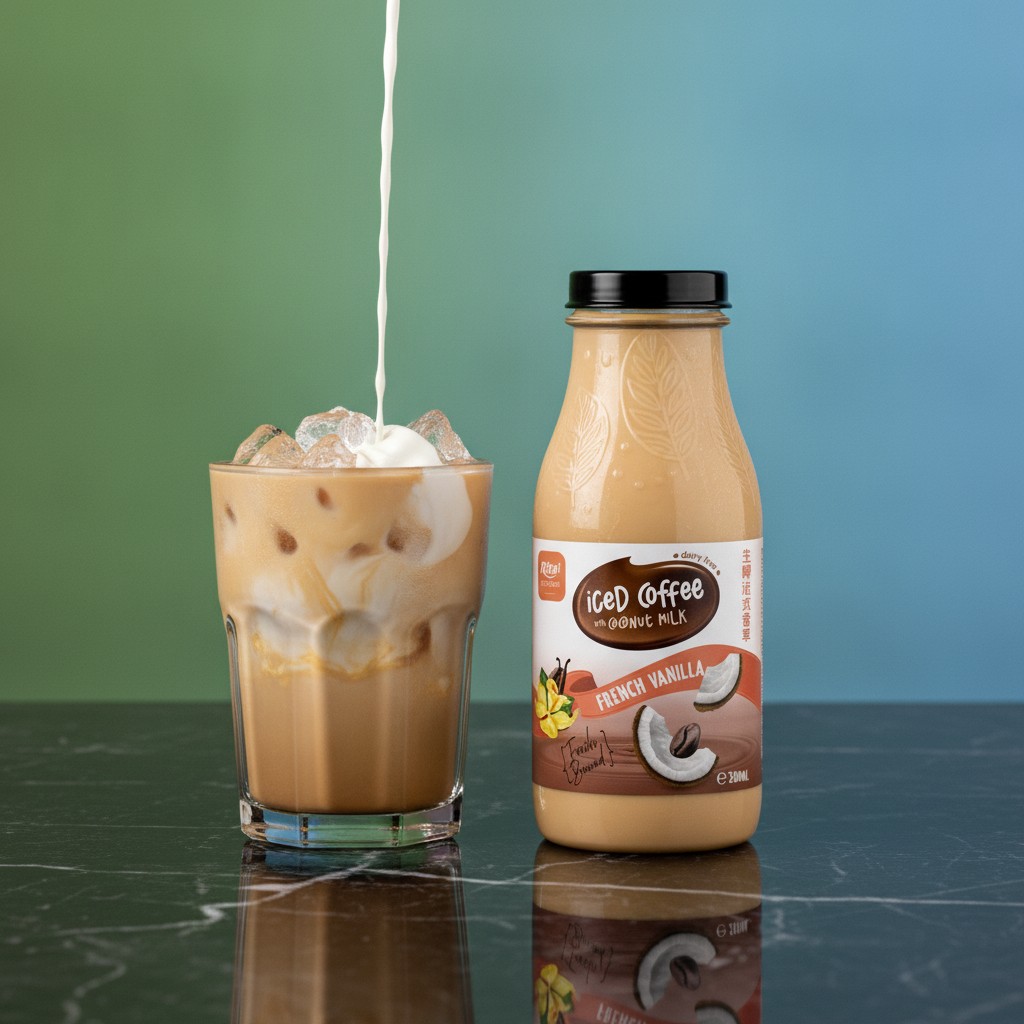
Moreover, glass allows for premium label and embossing treatments that enhance shelf appeal. Distributors can customize branding, from minimalist chic to vibrant tropical designs, to match target demographics. The visibility of the product inside the bottle also builds trust, as consumers can see the rich coffee color blended with coconut milk.
Vietnam as a Strategic Supply Base for Premium Iced Coffee
Vietnam has long been the world’s second-largest coffee exporter, but its role in processed and value-added coffee products is expanding rapidly. Companies like Rita Food & Drink Co., Ltd, with over two decades of experience, are now key players in iced coffee with coconut milk wholesale supply chains. Their facilities, spanning 30,000 m² with 50+ production lines, are capable of producing up to 1,200 containers per month, ensuring consistent quality and volume.
The advantage of sourcing from Vietnam lies in vertical integration. Rita directly manages coffee farm relationships, coconut milk production, and blending processes. This control over raw materials translates into stable pricing and the ability to customize flavor profiles for different markets. For example, the French vanilla variant can be adjusted in sweetness level or intensity to suit European or American palates.
Furthermore, Vietnamese manufacturers offer comprehensive OEM service and ODM service options, allowing brands to bring their own labels to market without investing in production infrastructure. From concept development to final packaging, the entire process is streamlined for international clients.
Quality Certifications and Global Compliance
For importers in the USA and Europe, supplier certifications are non-negotiable. Rita holds ISO, HACCP, HALAL, KOSHER, BRC, FSSC 22000, USDA Organic, EU Organic, and SMETA/BSCI certifications. This compliance portfolio covers food safety, ethical manufacturing, and organic standards, reducing due diligence burdens for buyers.
Additionally, the company’s understanding of U.S. FDA regulations and European food additives directives ensures that formulations meet local legal requirements. For iced coffee with coconut milk wholesale buyers, working with a certified Vietnamese exporter minimizes import delays and regulatory risks.
Retail and Distribution Strategies for the USA Market
The U.S. RTD coffee market is expected to surpass $6 billion by 2026, with dairy-free variants accounting for a growing share. Key distribution channels include convenience stores, supermarkets, natural food chains, and e-commerce. The product’s glass bottle format performs exceptionally well in premium convenience stores and gas stations, where consumers are willing to pay $3.50–$4.50 per bottle.
For distributors, the Iced Coffee with Coconut Milk French Vanilla offers a differentiated SKU that complements existing coffee and plant-based beverage lines. Its self-stable shelf life (typically 12–18 months) reduces inventory management complexity. Bulk importers can negotiate MOQs starting at a full 20’ container, with flexible co-packing options for private labels.
Marketing campaigns should highlight the product’s exotic origin, natural ingredients, and glass packaging. In-store sampling and digital ads targeting health-conscious, flavor-seeking consumers can drive trial. The brand can also leverage the “French vanilla” positioning as a familiar yet elevated flavor.
Opportunities in the European Market
Europe’s RTD coffee market is more fragmented, with strong regional preferences. In the UK and Ireland, iced coffee is popular year-round. In Southern Europe, it is often consumed as a dessert beverage. The coconut milk French vanilla variant fits both use cases.
European retailers are increasingly focused on sustainability. Glass packaging aligns with the EU’s Circular Economy Action Plan. Additionally, the vegan and plant-based claims resonate strongly with German and Dutch consumers. Importers should emphasize the product’s natural ingredients and absence of artificial flavors.
Another advantage is the ability to offer private label versions for major supermarket chains. Using Rita’s ODM capability, European distributors can develop exclusive recipes that cater to local taste preferences, such as reducing sweetness or adding a hint of cardamom for Middle Eastern diaspora markets within Europe.
Customization and OEM Flexibility
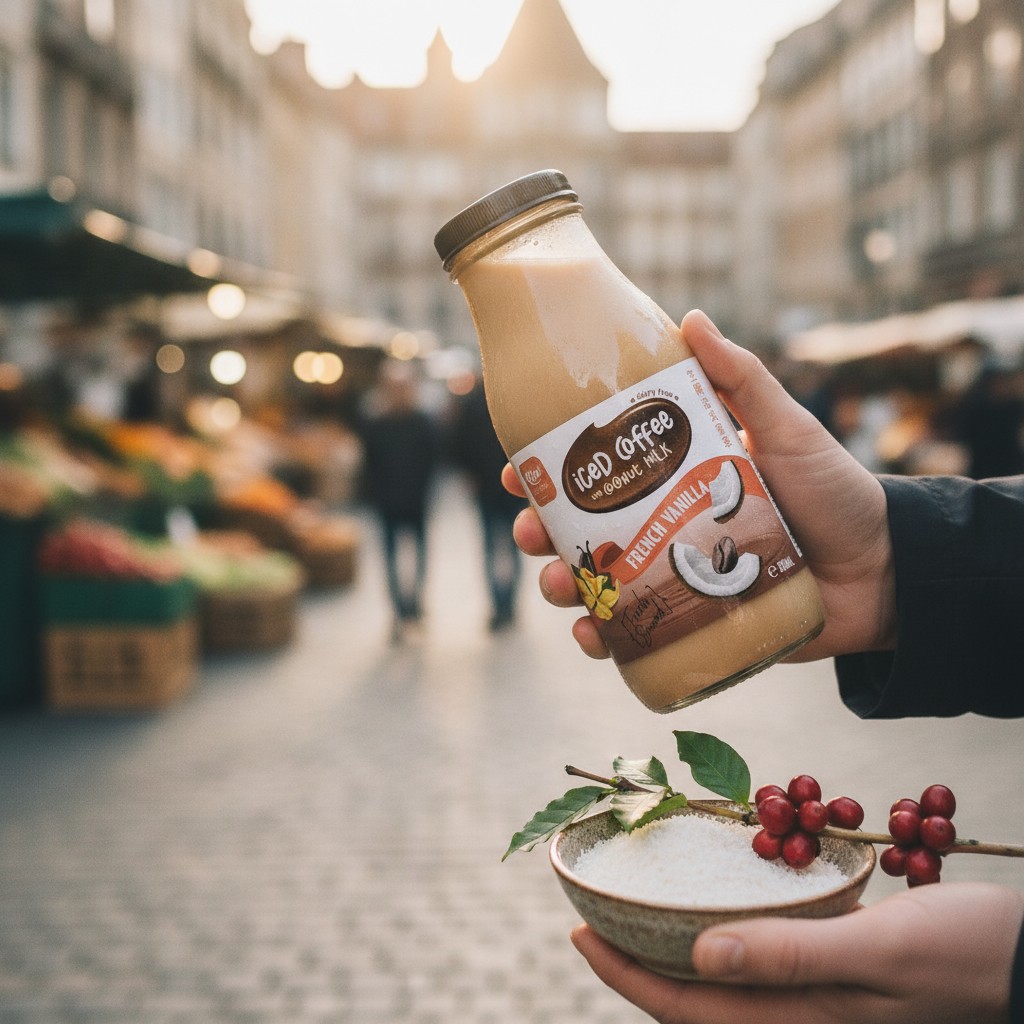
Private label buyers require more than just a standard product. Rita’s R&D team can adjust the coffee-to-coconut-milk ratio, sweetness level, flavor intensity, and even add functional ingredients like cold-brew concentrate or extra caffeine (though health claims must be avoided).
Packaging customization is also extensive: glass bottles can be supplied in 250ml, 280ml, 315ml, 470ml, and 490ml sizes. Labeling can include bilingual information, barcodes, and QR codes linking to brand websites. The MOQ for private label orders is flexible, typically starting from 1,000–2,000 cases, making it accessible for mid-sized distributors.
For iced coffee with coconut milk wholesale buyers, this flexibility allows for rapid product iteration and test launches without excessive inventory risk. Once a flavor proves successful, scaling up is seamless due to Rita’s large production capacity.
Conclusion: Positioning for Growth in RTD Coffee
The intersection of premiumization, plant-based trends, and convenience has created a golden window for iced coffee with coconut milk products. Importers and distributors who act now to secure reliable supply chains and distinctive packaging formats will gain a competitive edge.
By partnering with an experienced Vietnamese manufacturer like Rita, businesses can offer a refined product that meets both American and European consumer expectations. The Iced Coffee with Coconut Milk French Vanilla in 9.5 fl oz glass bottle serves as a prime example of how traditional coffee expertise and tropical ingredients can be combined for global success.
Whether you are a coffee importer, a distributor seeking to expand your RTD portfolio, or a private label brand searching for a high-quality OEM partner, the iced coffee with coconut milk wholesale segment offers compelling opportunities. Explore Rita’s full range of coffee beverages and discover how customization and scale can drive your business forward.
Frequently Asked Questions
What is the minimum order quantity for iced coffee with coconut milk wholesale?
The MOQ typically starts at one 20-foot container, which holds approximately 1,000–2,000 cases depending on package size. For custom private label orders, Rita can accommodate smaller trial runs subject to negotiation.
Can the product be customized for different markets?
Yes. Rita offers full ODM services, allowing adjustments to sweetness, flavor intensity, coffee-to-coconut-milk ratio, and packaging design. Labels can be produced in multiple languages with market-specific barcodes.
What certifications does the manufacturer hold?
Rita Food & Drink holds ISO, HACCP, HALAL, KOSHER, BRC, FSSC 22000, USDA Organic, EU Organic, and SMETA/BSCI certifications, ensuring compliance with global food safety and ethical standards.
What is the shelf life of the iced coffee with coconut milk in glass bottles?
The product has a shelf life of 12 to 18 months when stored in a cool, dry place. Glass packaging protects flavor and quality over time without the need for refrigeration.
Is the product suitable for vegan or lactose-intolerant consumers?
Yes. The beverage uses coconut milk instead of dairy, making it naturally vegan and lactose-free. It contains no animal-derived ingredients.
