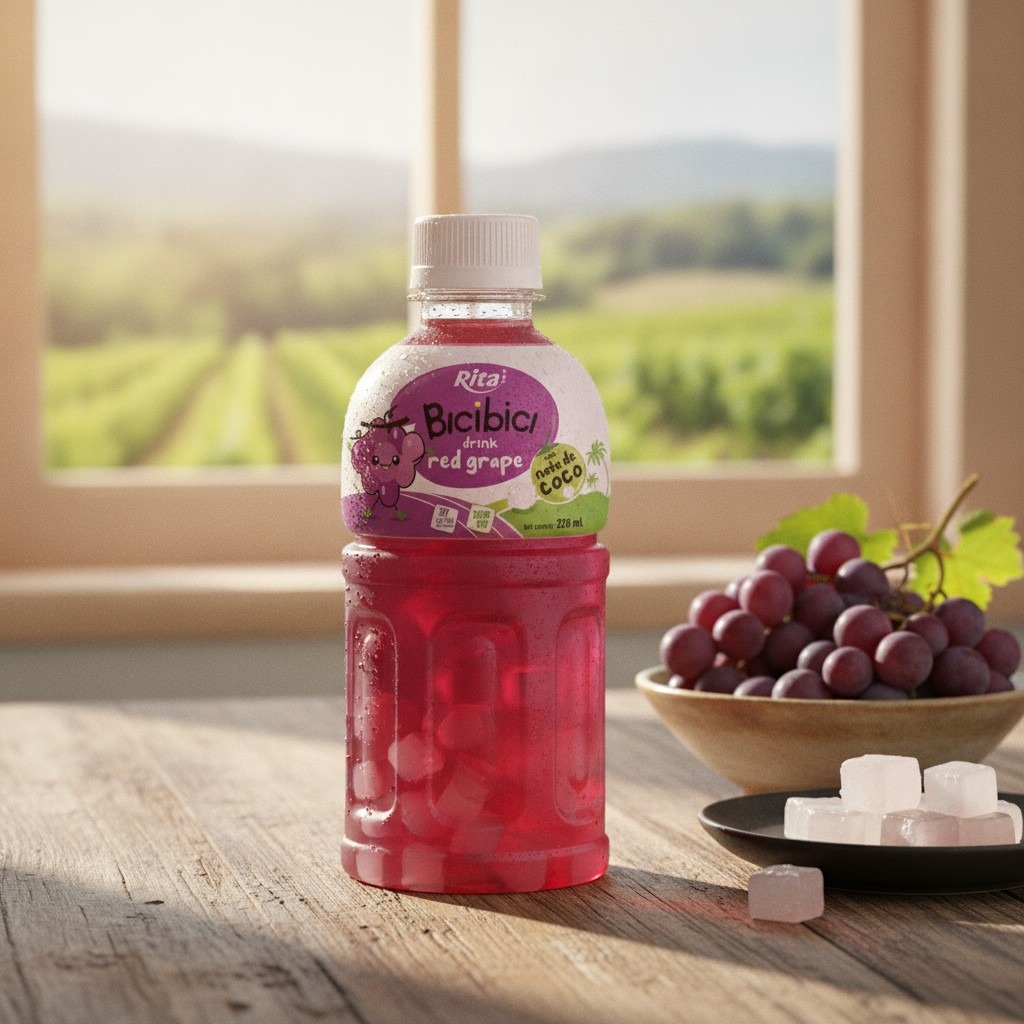
The global beverage industry is undergoing a significant transformation as consumers increasingly seek products that deliver both flavor and texture in a single sip. This shift has opened new opportunities for innovative fruit juice blends that combine traditional fruit profiles with unique add-ins. One such product that exemplifies this trend is the red grape juice with nata de coco, a combination that marries the deep, rich taste of red grapes with the chewy, playful mouthfeel of coconut gel.
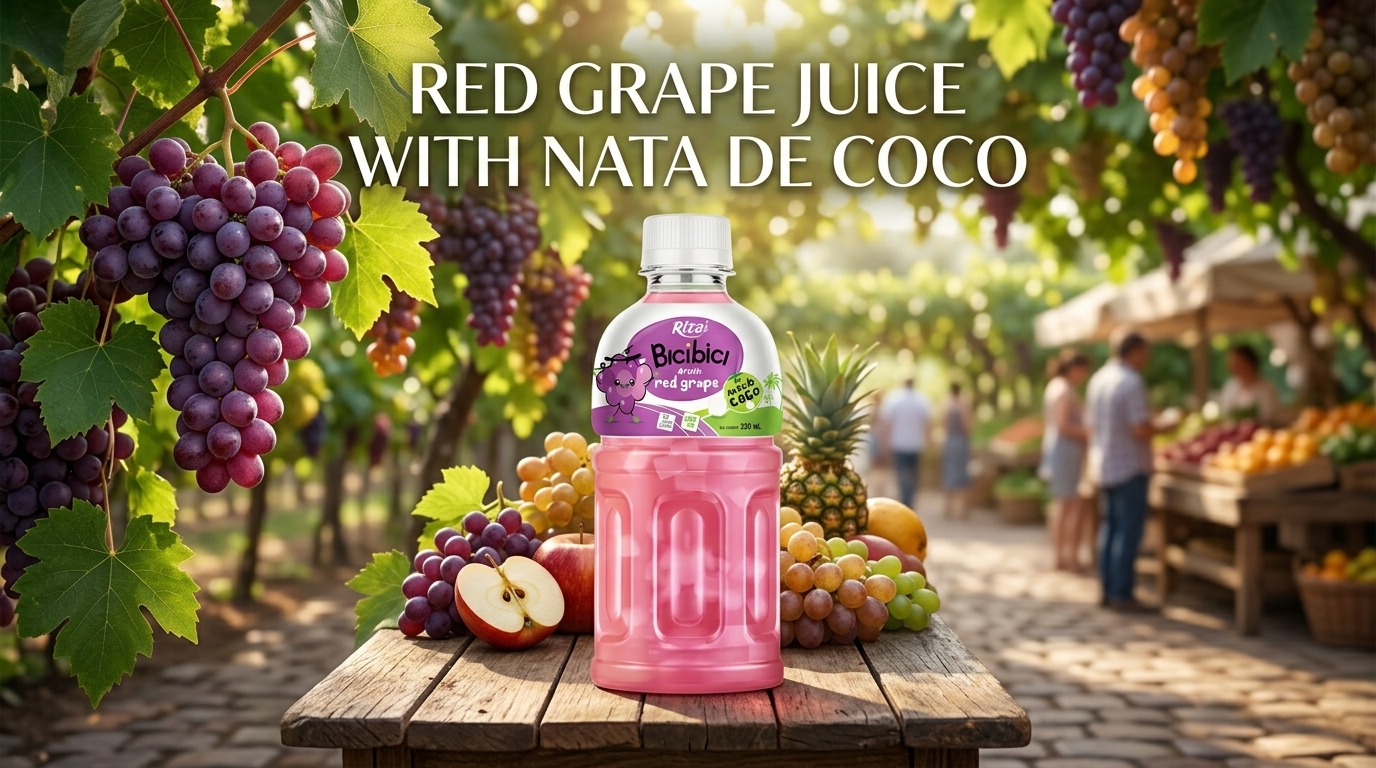
For importers, distributors, and beverage startups looking to differentiate their portfolios, understanding the market dynamics behind this product category is essential. This article provides a data-driven analysis of the rising demand for textured fruit juices, with a specific focus on how red grape juice with nata de coco fits into current consumption patterns in the United States and Europe. By examining consumer behavior, retail trends, and supply chain considerations, we aim to offer actionable insights for B2B players.
Key Takeaways
- Consumers in the USA and Europe are increasingly drawn to beverages that offer a multi-sensory experience, making red grape juice with nata de coco a compelling category for importers and distributors.
- The combination of rich fruit flavor and chewy texture positions this drink as a versatile option for various occasions, from school lunches to road trips and social gatherings.
- Vietnam-based manufacturers like Rita Food & Drink Co., Ltd provide flexible OEM/ODM services, enabling global brands to launch their own versions of this product under private labels.
- Strategic backlinking to product pages and category hubs can enhance SEO performance for businesses sourcing such beverages.
Market Shift Toward Textured and Multisensory Beverages
In recent years, the beverage aisle has become a playground for innovation. Beyond traditional still juices and carbonated soft drinks, consumers now demand products that engage multiple senses. The rise of drinks containing inclusions such as nata de coco, basil seeds, and aloe vera pieces underscores a clear trend: people want to chew their beverages.
Data from market research firms indicate that the global fruit juice market is projected to grow at a compound annual growth rate of approximately 5% through 2030, with the Asia-Pacific region leading in product innovation. However, the largest markets for imported specialty juices remain the United States and Europe. In these regions, red grape juice with nata de coco appeals to a broad demographics, including millennials seeking novelty and parents looking for lunchbox-friendly options.
The texture provided by nata de coco not only enhances the drinking experience but also adds a perception of natural indulgence. Unlike artificial additives, nata de coco is derived from fermented coconut water and is widely recognized as a clean-label ingredient. This aligns with the clean-eating movement prevalent in North America and Western Europe.
United States Market Analysis for Red Grape Juice with Nata de Coco
The U.S. remains the largest importer of fruit juices internationally. Within this market, two sub-trends are particularly relevant: the rise of functional hydration and the resurgence of fruit-forward beverages. While functional claims are restricted in this article, the sensory appeal of a product like red grape juice with nata de coco fits perfectly into the lifestyle of the American on-the-go consumer.
Retail channels such as convenience stores, supermarkets, and online platforms have all reported increased sales of textured juices. The 320ml PET bottle format, which is the standard for this product, offers portability and visual appeal thanks to its clear labeling that showcases the nata de coco cubes inside. For U.S. distributors, this format reduces shelf-space risk and encourages trial purchases.
Another factor driving adoption is the growing Hispanic and Asian-American population, many of whom are already familiar with beverages containing nata de coco. This demographic represents a natural entry point for new imports. Additionally, the product’s moderate sweetness (not overly sugary) appeals to mainstream consumers who are gradually reducing sugar intake but still want enjoyable flavor.
Opportunities for U.S. Importers and Distributors
U.S. importers can leverage the full-service OEM service offered by Vietnamese manufacturers to customize sweetness levels, adjust fruit juice concentration, and even develop private-label packaging. Minimum order quantities are flexible, enabling test runs before scaling up. Distribution margins are favorable because the product competes in a niche segment where price sensitivity is lower than in mainstream apple or orange juices.
Moreover, the fruit juice category on platforms like Rita Drinks Asia provides a comprehensive overview of available variants, allowing buyers to compare pack sizes and ingredient profiles. Such transparency reduces sourcing friction and accelerates time-to-market.
European Market Dynamics for Textured Fruit Juices
Europe presents a slightly different landscape. Here, regulatory standards are stringent, and consumers have a strong preference for organic and natural products. Red grape juice with nata de coco must comply with EU food additive regulations (E-numbers) and, ideally, carry organic certification. Manufacturers like Rita Food & Drink Co., Ltd, which hold both EU Organic and USDA Organic certifications, are well-positioned to meet these requirements.
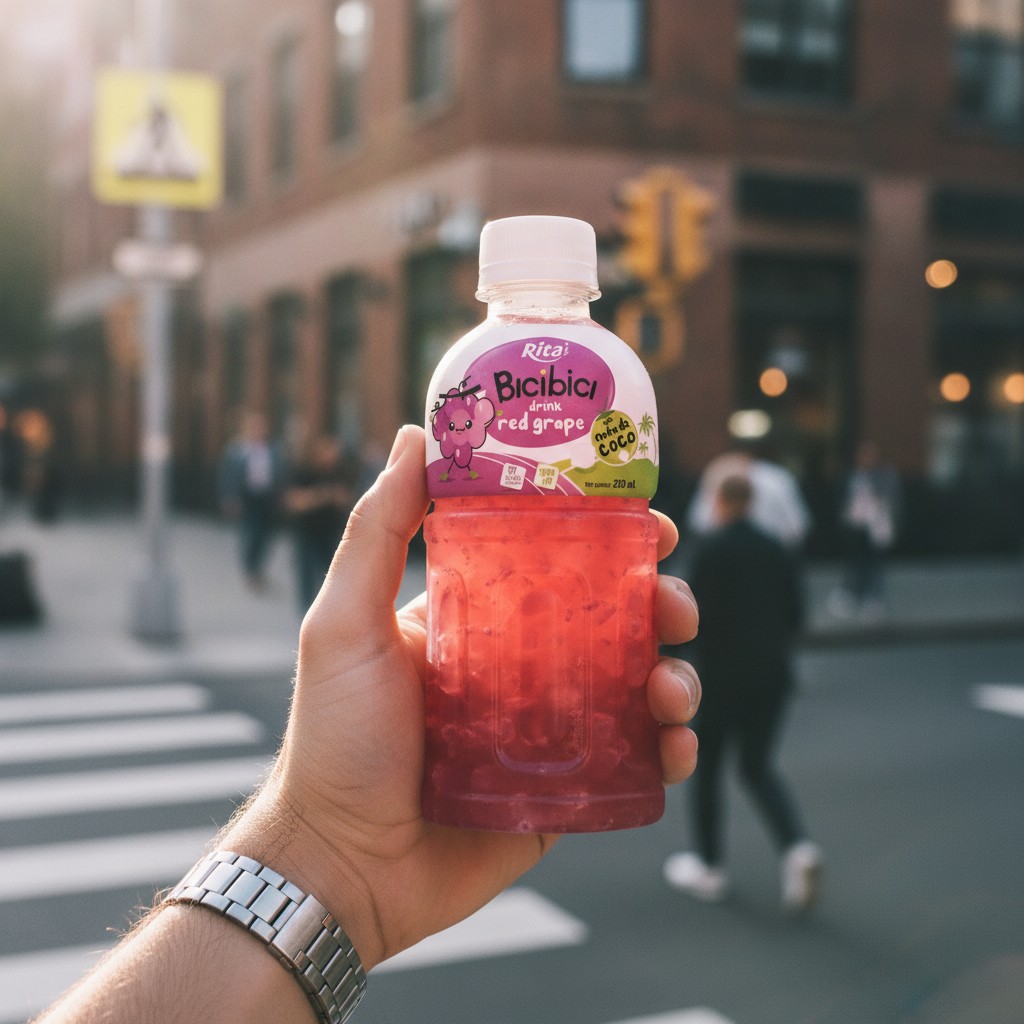
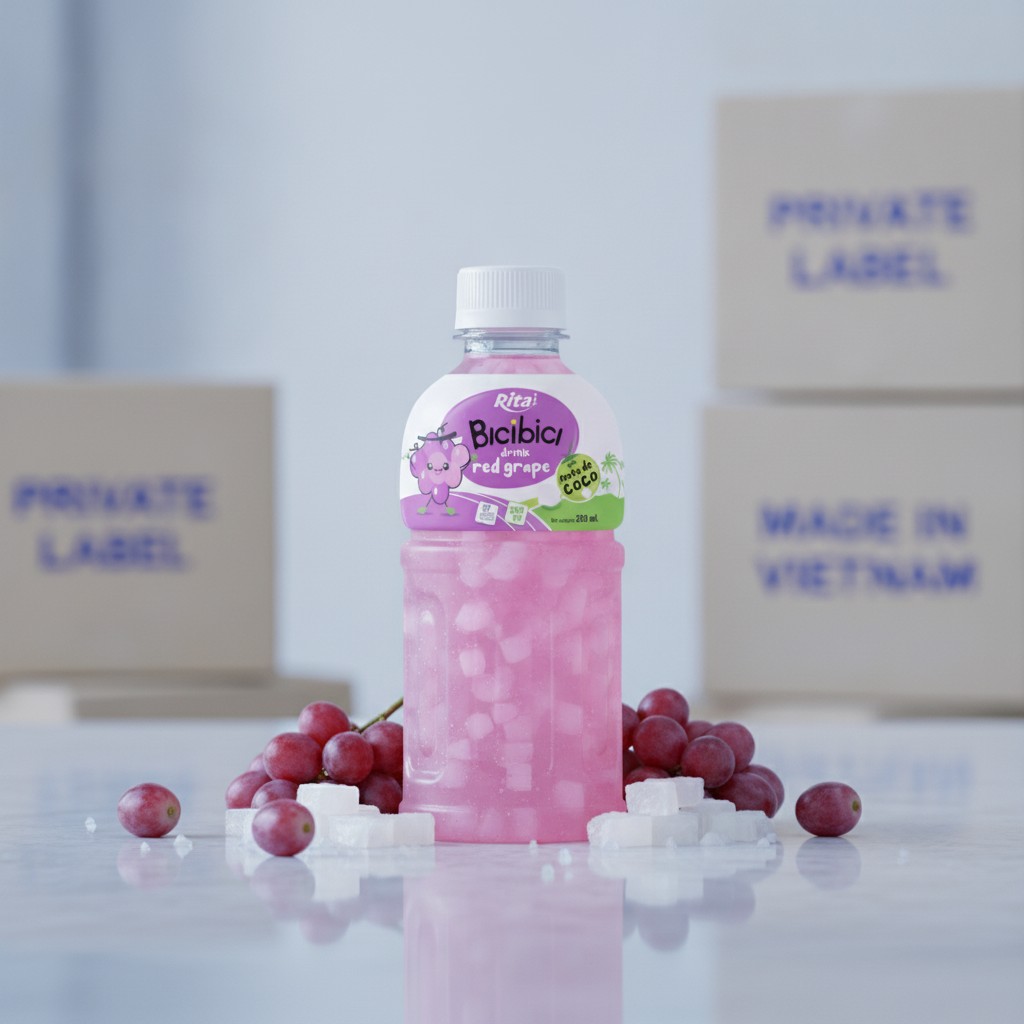
The United Kingdom, Germany, and the Netherlands are the most receptive markets for novelty juice products. In these countries, retailers such as Edeka, Tesco, and Carrefour have dedicated ethnic or world-food aisles where tropical juices with inclusions perform well. The visual appeal of clear PET bottles filled with ruby-red juice and translucent nata de coco cubes creates a strong point-of-sale impact.
European consumers are also increasingly seeking out beverages that can double as a light dessert, and this product fits that use case perfectly. Its versatility extends from mid-morning snacks to evening entertaining. For brand owners, positioning the drink as an “elegant refreshment” rather than a pure thirst quencher opens up premium pricing opportunities.
Distribution Challenges and Solutions in Europe
One challenge for European importers is shelf life. Most fruit juices with inclusions have a shorter shelf life compared to aseptic still juices. However, modern processing techniques, such as hot-fill PET technology, can extend shelf stability to 9–12 months when stored properly. Manufacturers provide detailed storage guidelines and support with export logistics to ensure product integrity arrives intact.
Private label is especially strong in Europe. An ODM service allows a retailer or brand to create a unique recipe—perhaps adjusting the grape-to-nata ratio or adding a hint of lemon—without investing in their own production line. This flexibility is a key reason why many European beverage startups choose Vietnamese co-packers.
Product Features That Drive Commercial Appeal
Beyond market trends, certain intrinsic features of red grape juice with nata de coco make it a strong candidate for import. The deep purple color signals richness and natural anthocyanins (no health claim intended, just color description). The nata de coco provides a soft, chewy contrast that prevents the drink from feeling monotonous. From a logistics standpoint, the 320ml PET bottle is lightweight and shatter-resistant, reducing shipping costs and breakage.
Rita Food & Drink Co., Ltd produces this product in dedicated facilities spanning over 30,000 square meters, with a monthly capacity of 1,200 containers. This scale ensures consistent quality and availability for large-volume orders. The company also offers multiple packaging options, including aluminum cans (200ml–500ml), PET (400ml–1.5L), and glass bottles (250ml–490ml), enabling brands to tailor the format to their target market.
For businesses looking to create a product line, the red grape juice with nata de coco can be produced under a brand’s own label with minimal MOQ. The manufacturer supports label design, regulatory documentation (including HALAL, KOSHER, BRC, and FSSC 22000 certifications), and export documentation. This end-to-end support reduces the risk for first-time importers.
Comparing Production Capabilities of Vietnamese Suppliers
Vietnam has emerged as a global hub for tropical juice production due to its abundant fruit supply and competitive labor costs. Rita Food & Drink Co., Ltd stands out with 50+ production lines and a workforce of over 500 employees. The company’s R&D team continuously develops new formulations based on market feedback, ensuring that each batch meets international taste preferences.
For example, the current formulation of the grape juice balances natural sweetness with a slight tartness to avoid cloying. The nata de coco is produced in-house from young coconut water, allowing strict control over texture, size, and consistency. This vertical integration reduces dependency on external suppliers and ensures uniformity across production runs.
Importers can also request modifications such as adjusting the juice percentage (e.g., 25%, 50%, or full-strength) or adding other fruit purees. The flexibility extends to closure options, including tethered caps popular in Europe for sustainability regulations. Such customization demonstrates how a beverage OEM partner can be a strategic collaborator rather than just a vendor.
Practical Tips for Distributors Evaluating This Product
- Sampling and feedback: Request samples from the manufacturer and conduct blind taste tests with target demographic groups. The texture of nata de coco may be polarizing initially but often gains loyalty after trial.
- Label compliance: Ensure that the product label complies with FDA or EFSA regulations, especially regarding net content declaration, ingredient list, and allergen warnings (coconut is not a major allergen in the U.S., but labeling requirements vary).
- Logistics planning: Confirm shelf life before shipment and plan inventory turnover accordingly. Typically, these products have a 12-month shelf life from production date.
- Promotional strategy: Leverage social media content that highlights the visual appeal—videos showing the nata de coco cubes floating in juice generate high engagement on platforms like Instagram and TikTok.
Finally, distributors should consider cross-selling this product with other textured drinks from the same manufacturer, such as aloe vera juice or chia seed beverages. Creating a “textured juice” category within a portfolio can attract dedicated shelf space in retail chains and online stores.
Frequently Asked Questions
What is nata de coco and why is it used in fruit juices?
Nata de coco is a jelly-like food product made from fermented coconut water. It is used in beverages to add a soft, chewy texture that enhances the drinking experience. In red grape juice, it provides a pleasant contrast to the smooth liquid.
Is red grape juice with nata de coco suitable for private label?
Yes, many manufacturers, including Rita Food & Drink Co., Ltd, offer full OEM/ODM services. Brands can customize the formulation, packaging, and label design. Minimum order quantities are flexible.
What are the key certification requirements for importing this product into the USA?
Importers need to ensure the product complies with FDA regulations regarding ingredient safety, labeling, and facility registration. Certifications such as BRC, FSSC 22000, and HALAL are commonly required by retailers and distributors.
How long does it take to produce and ship a private label order?
Lead time typically ranges from 30 to 45 days after order confirmation, depending on the complexity of the custom packaging and formulation. Shipping from Vietnam to the USA or Europe takes approximately 20–30 days via ocean freight.
Does the product contain high sugar?
The sugar content comes naturally from the red grape juice and added sweetener (if any). The manufacturer can adjust sweetness levels to meet market preferences, including low-sugar or no-added-sugar variants upon request.
Conclusion
Red grape juice with nata de coco represents a compelling addition to any beverage portfolio targeting the USA and European markets. Its unique texture, vibrant color, and versatile packaging make it well-suited for both retail and foodservice channels. By partnering with an experienced Vietnamese manufacturer offering OEM/ODM services, importers can efficiently bring this product to market while maintaining control over brand identity and quality.
The growing demand for multisensory drinks is not a passing fad; it reflects a fundamental shift in how consumers experience beverages. For distributors and wholesalers ready to explore this segment, the product red grape juice with nata de coco offers a proven template for success, backed by robust production capacity and global export expertise.