
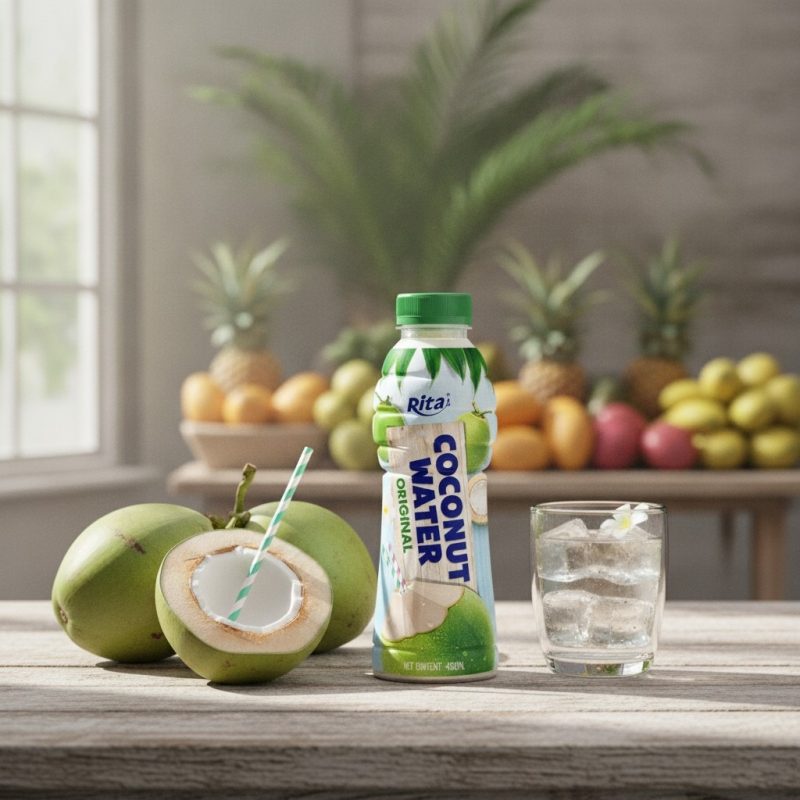
The global beverage industry is undergoing a significant transformation as consumers increasingly shift toward natural, minimally processed drinks. Among the most dynamic segments is pure coconut water, a product that has moved from niche health stores to mainstream retail shelves worldwide. For importers, distributors, and wholesalers looking to capitalise on this trend, understanding the supply chain and product specifications is critical. One product gaining traction is wholesale pure coconut water 450ml offered in PET bottles, a format that balances convenience, sustainability, and cost-efficiency.
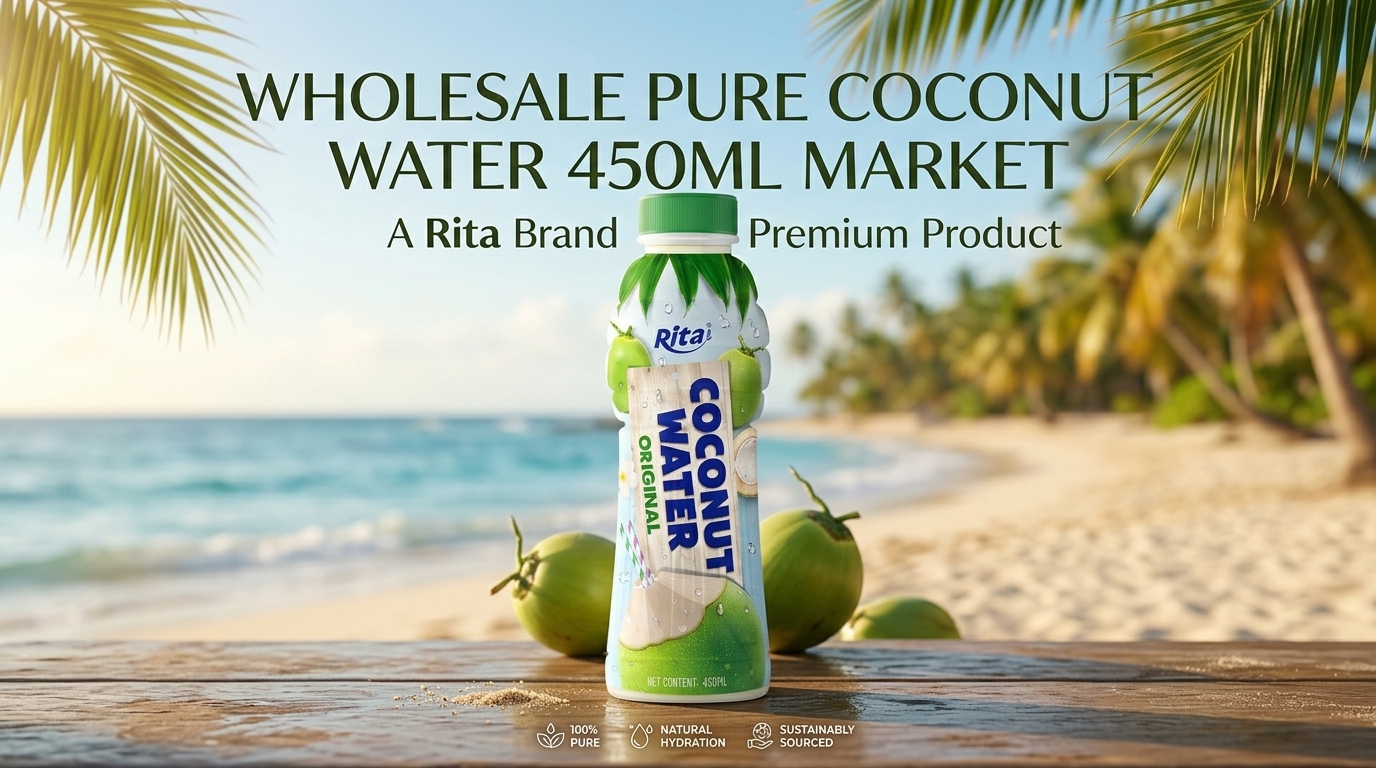
This article provides an in-depth analysis of the market dynamics, consumer preferences, and business opportunities surrounding bulk pure coconut water. It is designed for F&B professionals, beverage startups, and distribution companies seeking reliable sourcing partners. The focus is on actionable insights rather than promotional content, using the 450ml PET bottle as a practical example of how Vietnamese manufacturers are meeting global demand.
Key Takeaways
- Global demand for pure coconut water continues to rise, driven by clean-label trends and functional hydration preferences among health-conscious consumers.
- The PET bottle format, especially the 450ml size, offers logistical advantages for wholesale distribution, including lightweight transport and extended shelf life.
- Vietnam has emerged as a leading supplier of wholesale pure coconut water 450ml, thanks to abundant raw materials and advanced manufacturing capabilities.
- Private label and OEM services allow buyers to differentiate their brand without investing in production infrastructure.
- Understanding regional regulatory requirements and packaging preferences is essential for successful market entry in the USA and Europe.
Market Trends Driving the Demand for Pure Coconut Water
Pure coconut water has become a staple in the functional beverage segment, valued for its natural electrolyte profile and mild sweetness. In 2025, the global coconut water market is projected to exceed USD 7 billion, with North America and Europe accounting for a significant share. Consumers in these regions are actively seeking alternatives to sugary sodas and artificial energy drinks, making pure coconut water an attractive option for retailers and foodservice operators.
Key drivers include the rise of premium hydration, increased awareness of clean ingredients, and the popularity of plant-based lifestyles. For wholesalers, the challenge lies in securing consistent supply and competitive pricing while meeting strict quality standards. The 450ml PET bottle has emerged as a preferred unit size for on-the-go consumption, retail shelves, and hotel minibars. Its lightweight nature reduces shipping costs, and the PET material is widely recyclable, aligning with sustainability goals.
USA Market: Opportunities for Coconut Water Importers
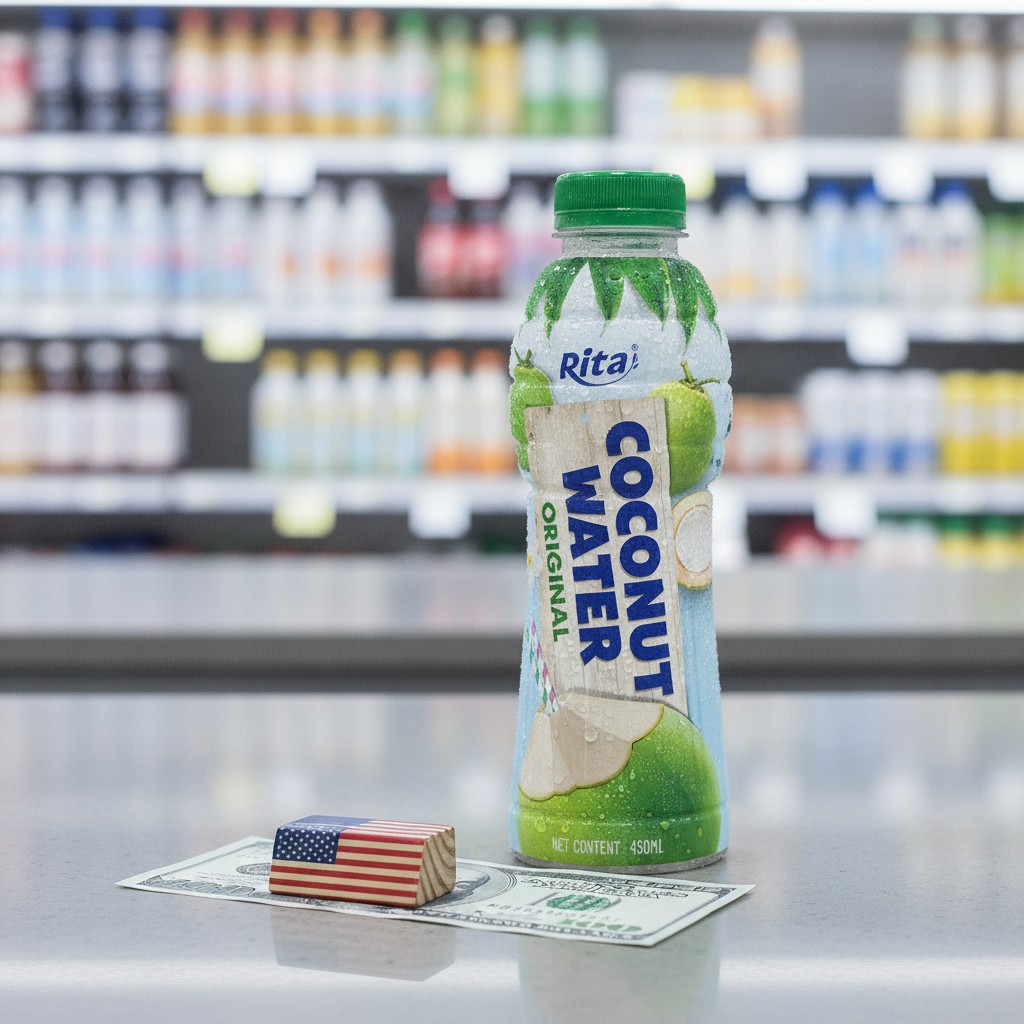
The United States remains the largest importer of coconut water globally. American consumers are accustomed to convenient packaging and expect products to be free from additives. There is a strong demand for pure, unsweetened coconut water in clear PET bottles, as it conveys freshness and purity. For importers looking to source wholesale pure coconut water 450ml, Vietnam offers a competitive advantage in both price and volume.
Vietnamese manufacturers can supply large quantities year-round due to the tropical climate and extensive coconut plantations. Contracts often include MOQs as low as one 20-foot container, making it accessible for mid-sized distributors. Furthermore, many factories hold certifications such as HACCP, BRC, and FSSC 22000, which facilitate customs clearance in the US. The 450ml PET format is particularly suitable for convenience stores and online grocery channels, where single-serve beverages dominate.
Another factor driving growth is the expansion of ethnic cuisine and Asian-inspired beverage concepts in the US. Coconut water is now a common mixer in smoothies, juices, and cocktail bars. Distributors can position bulk coconut water as a versatile ingredient for food manufacturers as well as a standalone drink.
Europe Market: Clean Label and Sustainability Priorities
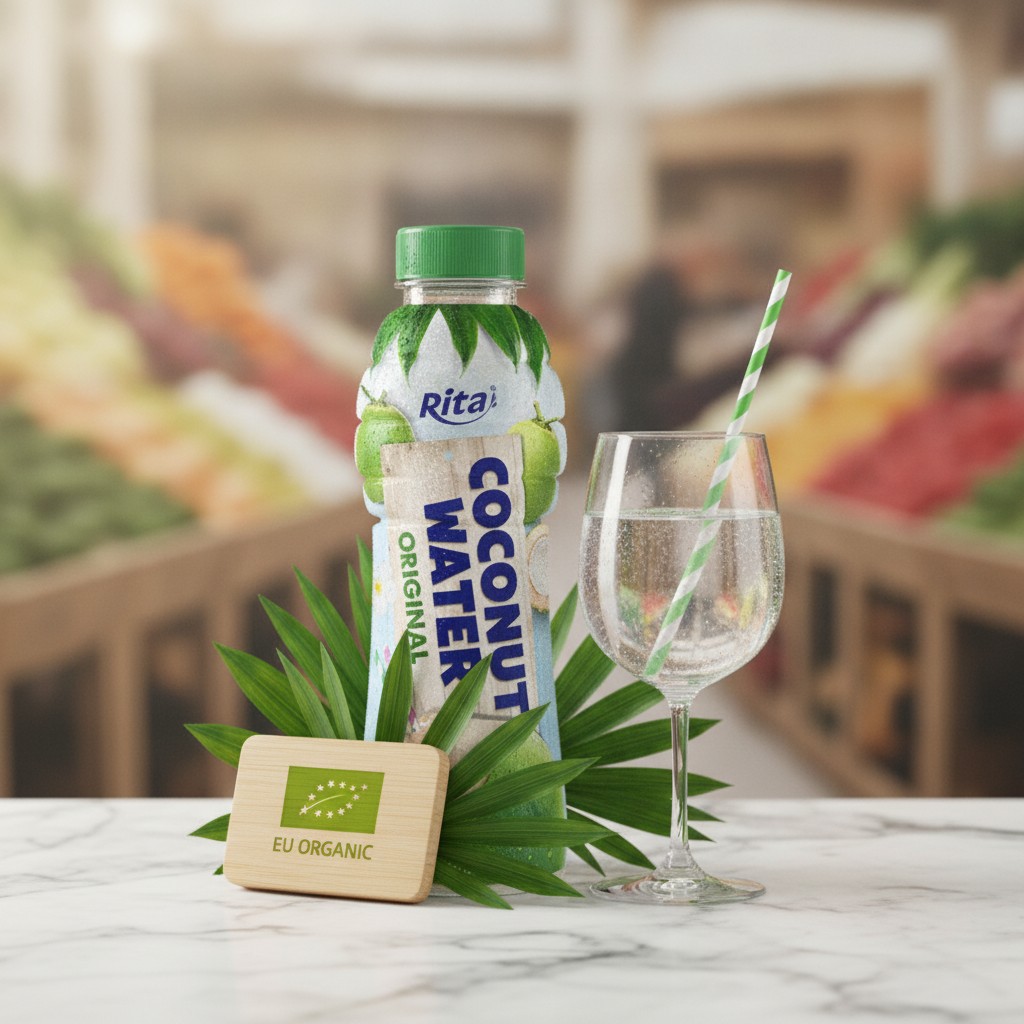
European consumers are among the most stringent when it comes to food transparency and environmental impact. The demand for organic, non-GMO, and Fair Trade products has influenced the coconut water segment significantly. For exporters of wholesale pure coconut water 450ml, compliance with EU organic regulations is often a prerequisite for major retailers. Vietnamese suppliers like Rita Food & Drink Co., Ltd. offer USDA Organic and EU Organic certifications, enabling smooth market entry.
In Europe, the 450ml PET bottle competes with Tetra Pak and glass formats. However, PET is gaining favour due to its lower carbon footprint during transport and improved shatter resistance. Many European distributors prefer lightweight packaging to reduce logistics costs, making PET a logical choice. Additionally, the 450ml size aligns with the trend toward smaller portion sizes that reduce food waste.
Retailers in Germany, France, and the UK are actively expanding their plant-based and functional beverage aisles. Pure coconut water fits neatly into these categories, especially when marketed as a natural sports drink or hydration solution. Wholesalers can leverage private label programs to create regional brands that resonate with local tastes. For example, adding a twist of lime or blending with other fruit juices can differentiate a product while maintaining the core coconut water base.
Why Vietnam Is the Preferred Sourcing Destination
Vietnam has positioned itself as a powerhouse in the global coconut water trade. The country produces over 1.5 million tons of coconuts annually, with a significant portion dedicated to beverage processing. Manufacturers like Rita Food & Drink operate modern facilities with automated filling lines for PET bottles, ensuring consistent quality and high output. The ability to offer OEM/ODM services allows importers to develop custom formulations, from sweetness levels to packaging design.
Exporters from Vietnam benefit from favourable trade agreements with both the US and Europe, reducing tariff barriers. Shipping times from Vietnamese ports to Los Angeles or Rotterdam are competitive compared to other origins. For buyers seeking wholesale pure coconut water 450ml in bulk, the combination of cost, quality, and scalability makes Vietnam a top choice.
Product Specifications That Matter for Wholesale Buyers
The 450ml PET bottle is designed to meet the needs of mass distribution. Typical shelf life for pasteurised pure coconut water in PET ranges from 12 to 18 months, depending on aseptic filling conditions. Suppliers often provide options for heat treatment (hot fill) or cold aseptic filling, each affecting taste and logistics. For wholesale buyers, understanding the brix level (natural sugar content) and pH stability is important for product consistency.
Packaging customisation is another advantage. PET bottles can be produced in various colours and shapes, with shrink sleeves or pressure-sensitive labels. The 450ml size is particularly efficient for pallet stacking and container loading. A standard 20-foot container can hold approximately 15,000 to 18,000 bottles, depending on the cap type and secondary packaging. This volume makes it feasible for medium-sized wholesalers to test new markets with manageable inventory risk.
Additionally, suppliers can offer multiple closure options, such as sport caps for active consumers or tamper-evident seals for retail safety. For distributors focusing on the HORECA channel (hotels, restaurants, cafes), the 450ml PET bottle is ideal for minibars and room service. The clear bottle showcases the product, which is a key selling point for premium establishments.
Business Strategies for Coconut Water Distributors
Successful entry into the coconut water market requires a clear go-to-market strategy. First, identify the target channels: retail, foodservice, or industrial ingredients. Each channel demands different packaging and pricing models. Second, build a relationship with a reliable manufacturer that offers flexibility in volume and customisation. Third, invest in marketing that emphasises the natural origins and purity of the product, without making health claims.
For wholesalers, combining pure coconut water with other tropical beverages can create a diversified portfolio. Rita Food & Drink, for example, produces a full range of fruit juices, aloe vera drinks, and chia seed beverages. A buyer can consolidate multiple products in one shipment, reducing procurement complexity. The company’s coconut beverage products line includes not only pure coconut water but also blended variants, opening additional revenue streams.
Another strategy is to leverage OEM service for private label development. This allows distributors to build their own brand identity without investing in factories. The manufacturer handles formulation, production, and quality control, while the buyer focuses on sales and distribution. Given the growing demand for natural beverages, private label coconut water can achieve strong margins in both brick-and-mortar and e-commerce channels.
Regulatory and Certification Considerations
Importing coconut water into the US and Europe requires adherence to strict food safety regulations. The FDA mandates that all imported beverages be produced under current Good Manufacturing Practices (cGMPs). Documentation such as a Certificate of Analysis (COA), ingredient declarations, and a FDA Prior Notice for shipments is essential. Suppliers with certifications like HACCP and BRC simplify this process.
In Europe, the EU Regulation 1169/2011 on food information requires clear labelling of ingredients, allergens, and nutritional values. Coconut water is naturally free from major allergens, which is a selling point. Organic certification from recognised bodies (e.g., Ecocert, Control Union) adds value and allows distributors to target premium organic retailers. Vietnamese exporters typically hold both USDA Organic and EU Organic certifications, ensuring compliance across markets.
Conclusion
The global shift toward clean-label, functional beverages continues to create opportunities for wholesale pure coconut water 450ml in PET bottles. For importers and distributors in the USA and Europe, partnering with a Vietnamese manufacturer offers cost advantages, flexibility, and the ability to customise products for local preferences. The market is competitive, but those who understand the supply chain, regulatory landscape, and consumer trends can build a profitable segment around this natural tropical drink.
By focusing on the logistical benefits of the PET bottle format and the reliability of Vietnamese sourcing, businesses can meet the rising demand for pure coconut water. Whether through private label programs or bulk distribution, the potential for growth remains strong. For more information on sourcing options, explore the range of coconut water products available from leading manufacturers.
