
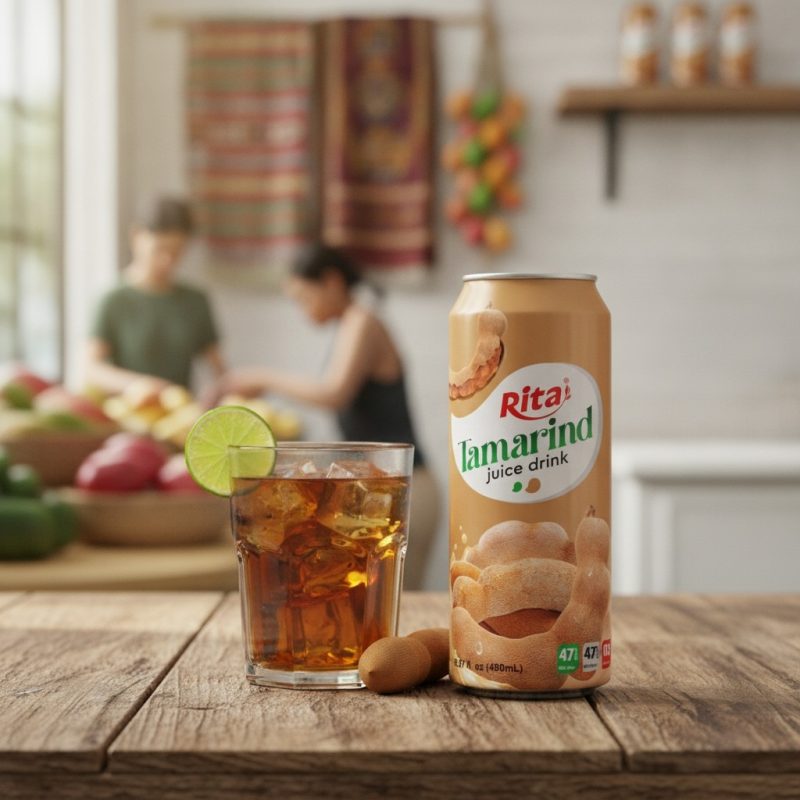
The global beverage industry continues to evolve, driven by shifting consumer preferences toward authentic, exotic, and natural flavors. Among the emerging categories, ready to drink tamarind juice has captured significant attention from importers, distributors, and wholesalers across the United States and Europe. This distinctive sweet and sour profile, long cherished in Southeast Asian cuisine, is now making its way into mainstream retail channels as a versatile, standalone refreshment.
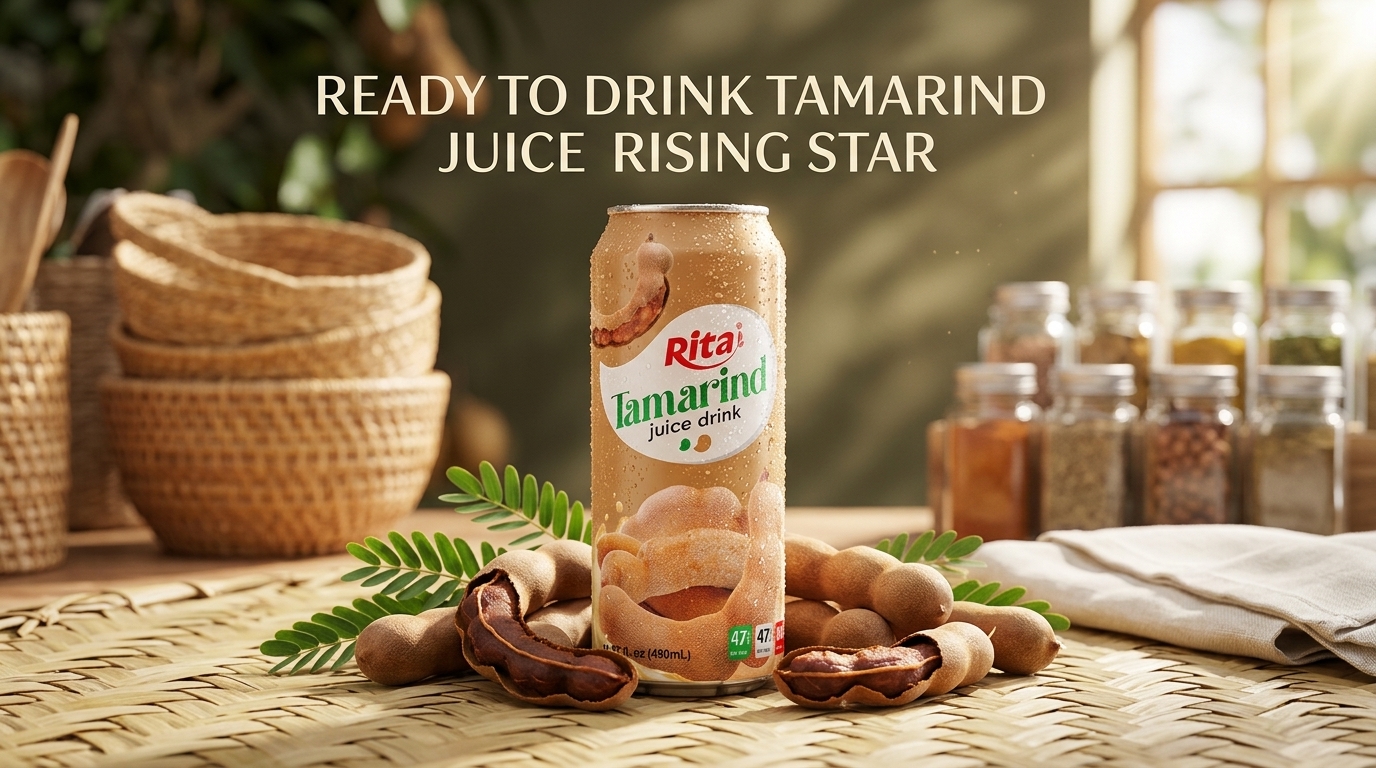
Key Takeaways
- Ready to drink tamarind juice is gaining traction in USA and European markets due to rising demand for exotic and authentic fruit flavors.
- Vietnam-based manufacturers like Rita Food & Drink Co., Ltd offer competitive advantages in OEM/ODM production, flexible packaging, and global logistics.
- The 490ml aluminum can format aligns with consumer preferences for convenience, portion control, and sustainability.
- Private label opportunities allow brands to differentiate with unique formulations while leveraging established supply chains.
- Understanding regional taste profiles and distribution channels is critical for successful market entry.
Market Dynamics Driving Tamarind Juice Demand in the USA and Europe
Consumer palates in both the United States and Europe have undergone a notable transformation over the past decade. The growing popularity of global cuisines, particularly Thai and Vietnamese, has introduced tamarind to a broader audience. Once primarily used in savory dishes or as a souring agent, tamarind is now celebrated as a fruit base for refreshing beverages. According to industry reports, the functional beverage segment continues to expand, but equally important is the rise of “better-for-you” options that emphasize natural ingredients and authentic taste experiences.
In the USA, the Hispanic and Asian demographic growth has contributed to increased familiarity with tamarind flavors. Major retailers such as Whole Foods and Walmart have expanded their ethnic beverage sections, creating shelf space for products like ready to drink tamarind juice. European markets, particularly the United Kingdom, Germany, and the Netherlands, are also witnessing a surge in demand for tropical and exotic fruit drinks. The sweet and sour balance of tamarind offers a unique alternative to mainstream orange or apple juices, appealing to adventurous consumers seeking novel taste experiences.
Opportunities for Importers and Distributors
For wholesalers and distributors, the opportunity lies in sourcing a product that is both distinctive and scalable. The ready to drink tamarind juice from Rita exemplifies how a traditional ingredient can be modernized for global retail. Packaged in a 490ml aluminum can, this product offers a premium shelf presence while maintaining cost efficiency for volume orders. Importers operating in the USA can target natural food chains, independent ethnic grocery stores, and online platforms like Amazon. European distributors can leverage the growing trend of “world food” aisles in supermarkets.
Importantly, the product’s formulation is free from artificial colors and excessive additives, aligning with clean-label expectations in both regions. The natural sweetness of tamarind pulp combined with a balanced acidity creates a profile that pairs well with meal occasions or as a standalone thirst quencher. This versatility is a key selling point for buyers evaluating new SKU additions.
Why Vietnam Is the Preferred Sourcing Hub for Tamarind Beverages
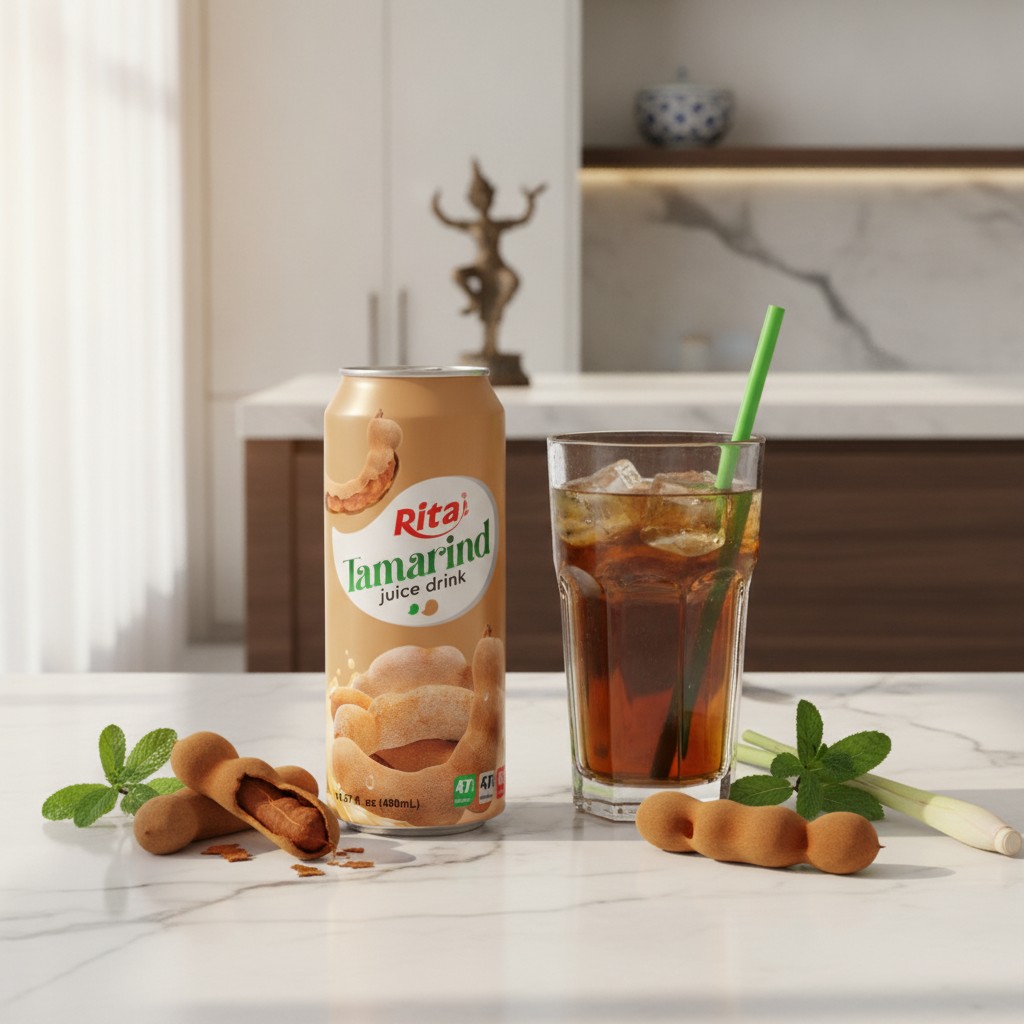
Vietnam has emerged as a leading origin for fruit-based beverages, thanks to its tropical climate, abundant raw materials, and advanced manufacturing infrastructure. Companies like Rita Food & Drink Co., Ltd, established in 2004, have invested heavily in state-of-the-art production lines across a 30,000 m² facility. With over 50 production lines, a capacity of 1,200 containers per month, and certifications including ISO, HACCP, HALAL, KOSHER, BRC, FSSC 22000, and organic standards, Vietnamese suppliers can meet the rigorous quality requirements of American and European importers.
The country’s competitive labor and raw material costs translate into attractive wholesale pricing without compromising quality. For buyers seeking private label solutions, the flexibility offered by OEM and ODM services is a major advantage. Rita’s ODM service allows importers to customize sweetness levels, adjust acidity, and even develop proprietary blends that cater to local taste preferences. This is particularly valuable in the tamarind juice segment, where Western consumers may prefer a slightly sweeter profile than traditional Asian versions.
Packaging Flexibility and Supply Chain Advantages
The 490ml aluminum can format is specifically designed for the on-the-go consumption trend prevalent in the USA and Europe. Cans are lightweight, infinitely recyclable, and provide excellent protection against light and oxygen, preserving the product’s flavor integrity. Rita also offers a wide range of packaging options, including PET bottles, glass bottles, and PP containers, allowing distributors to choose the best format for their target channels. Whether for vending machines, convenience stores, or food service, the flexibility is a key factor in reducing time to market.
For large volume orders, the supplier’s ability to deliver consistently within tight deadlines is critical. Rita’s production capacity and established export logistics to over 200 countries ensure reliable supply. Importers in the USA can receive shipments via major ports, while European buyers benefit from established trade routes through Rotterdam or Hamburg. The company also supports low MOQ for initial trial runs, enabling distributors to test the product before committing to full-scale orders.
Understanding Consumer Preferences for Exotic Fruit Juices
Sweet and Sour Profile: A Winning Combination
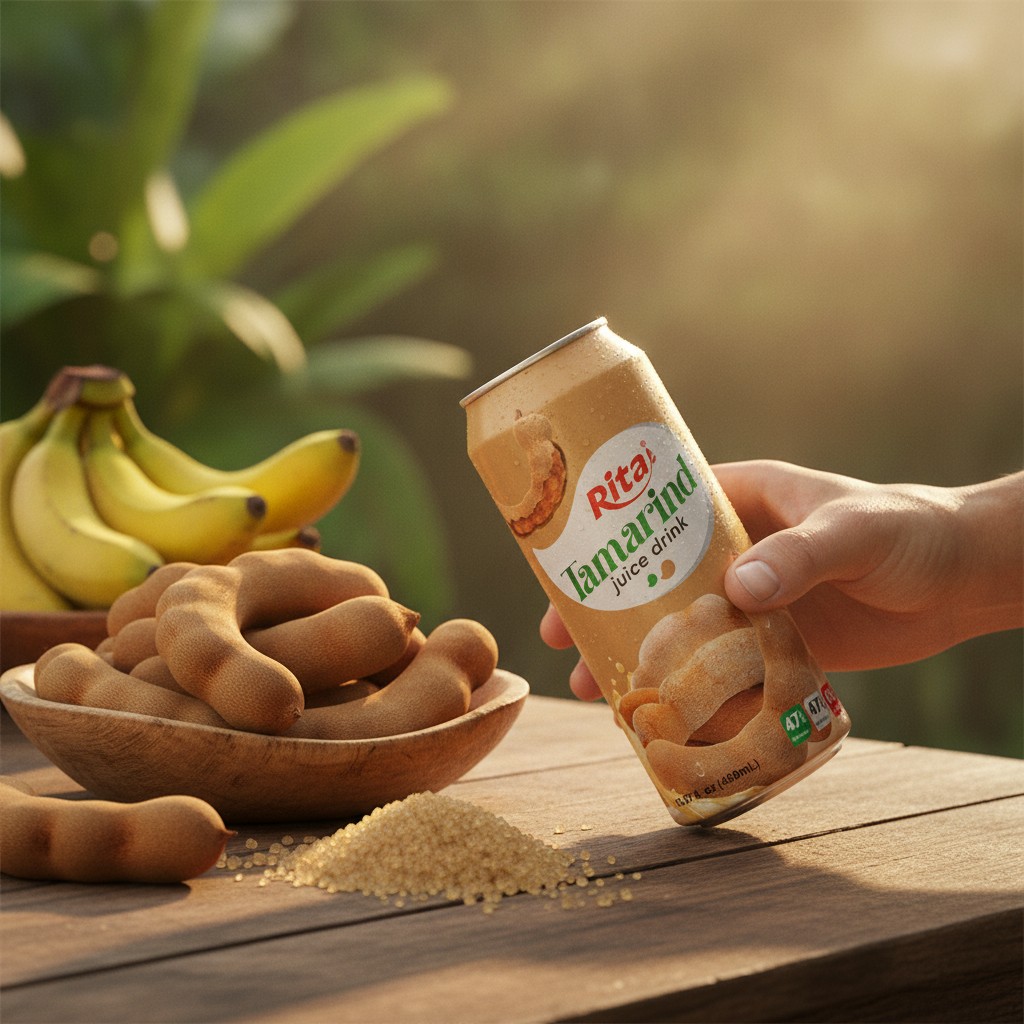
The unique taste of tamarind juice—simultaneously tart and sweet—strikes a chord with consumers tired of overly sugary drinks. In the USA, the growing “sour” trend in beverages (from sour beers to sour candies) has paved the way for fruit juices that deliver a natural tang. European consumers, particularly in the UK and Scandinavia, have shown increasing interest in fermented and tart flavors. Ready to drink tamarind juice fits neatly into this landscape, offering a complex flavor that stimulates the palate without relying on artificial additives.
Moreover, the ingredient’s versatility allows it to be blended with other fruits (mango, pineapple, or coconut) to create hybrid beverages that appeal to a broader audience. Distributors can explore co-packing arrangements with Rita’s OEM service to develop line extensions such as tamarind-mango or tamarind-ginger. This kind of product innovation is essential for maintaining relevance in a competitive retail environment.
Targeting Health-Conscious and Adventurous Consumers
While we cannot make health claims, it is fair to note that many consumers perceive natural fruit juices as a better alternative to soft drinks. The clean label movement—where ingredients are recognizable and minimal—drives purchasing decisions. A product listed as “real fruit tamarind juice drink” with no artificial colors appeals to moms, millennials, and Gen Z shoppers who prioritize transparency. In Europe, the EU regulation on food information to consumers (FIC) has made ingredient labeling a key factor, and suppliers like Rita ensure full compliance with all relevant standards.
For B2B buyers, this means a product that can be marketed with confidence in both natural and organic retail channels. The availability of organic certification (USDA, EU Organic) further expands the addressable market. Importers targeting the premium segment can leverage Rita’s organic tamarind juice options, which command higher margins in stores like Whole Foods or Waitrose.
Strategic Insights for Distributors and Wholesalers
Market Entry Considerations
When entering the US market, distributors should consider regional taste variations. For example, consumers on the West Coast and in the Northeast are more open to ethnic flavors, while the Midwest may require more education. Sampling programs at trade shows (e.g., Expo West or SIAL America) can help build awareness. In Europe, the UK is a strong entry point due to its multicultural population, followed by Germany where exotic fruit juices are already popular.
Price positioning is also critical. Ready to drink tamarind juice typically sits in the mid-to-premium range, competing with other tropical juices. However, the distinctive flavor can justify a higher price point if marketed correctly. Rita’s wholesale prices remain competitive due to Vietnam’s low production costs, giving distributors healthy margins.
The Role of Private Label and OEM Partnerships
Private label is a growing trend in both the USA and Europe, with retailers seeking exclusive products to differentiate their offerings. Rita’s tamarind juice drink wholesale solution allows supermarket chains, convenience store operators, and food service distributors to launch their own brand of tamarind juice without the capital investment in production facilities. The supplier handles everything from formulation to packaging design, ensuring a product that meets the retailer’s specific requirements.
For example, a US-based distributor can partner with Rita to develop a “Tamarind Bliss” brand for the Hispanic market, with bilingual labeling and a slightly sweeter taste. Similarly, a European importer could create a “Tamarind Wave” line for the organic sector, using Rita’s EU Organic certified raw material. This flexibility is a powerful tool for business development.
Future Outlook for the Tamarind Juice Category
The trajectory for ready to drink tamarind juice looks promising. As global travel and cultural exchange continue to influence food trends, flavors once considered niche are becoming mainstream. The ongoing demand for plant-based and natural ingredients further supports the category. Moreover, the beverage industry’s shift toward aluminum cans for sustainability reasons aligns perfectly with the 490ml format.
Suppliers like Rita are investing in R&D to create new variants and improve shelf stability without preservatives, directly addressing the needs of international markets. For importers and wholesalers, the timing is right to add this product to their portfolio and capitalize on first-mover advantages. By partnering with an experienced manufacturer in Vietnam, they can access a high-quality product with the flexibility to adapt to changing consumer preferences.
Frequently Asked Questions
What makes ready to drink tamarind juice different from other fruit juices?
Ready to drink tamarind juice offers a distinct sweet and sour flavor profile that sets it apart from common fruit juices like orange or apple. Its natural tartness and depth of flavor appeal to consumers seeking authentic, exotic tastes. It can be enjoyed on its own or used as a mixer in cocktails and mocktails.
What are the packaging options available for tamarind juice imports?
Suppliers like Rita offer a variety of packaging formats including 490ml aluminum cans, PET bottles (400ml to 1.5L), glass bottles, and PP containers. Custom sizes and private label branding are available through OEM/ODM services. The 490ml can is particularly popular for its convenience and sustainability.
Is Vietnam a reliable source for tamarind juice production?
Yes, Vietnam is a leading producer of tropical fruit beverages with strong manufacturing capabilities. Companies like Rita have ISO, HACCP, HALAL, KOSHER, BRC, FSSC 22000, and organic certifications. With a production capacity of 1,200 containers per month and export to over 200 countries, Vietnam offers quality and consistency for global buyers.
Can I customize the sweetness or flavor of tamarind juice for my market?
Absolutely. OEM and ODM services from suppliers like Rita allow full customization. You can adjust sweetness levels, acidity, and even create blends with other fruits such as mango or pineapple. This flexibility ensures the product aligns with local consumer taste preferences.
What are the minimum order quantities (MOQ) for importing tamarind juice?
Minimum order quantities are flexible and can be negotiated based on the buyer’s needs. Rita offers low MOQ for initial trials to help distributors test the product before committing to large-scale orders. This reduces risk and allows for market validation.
