
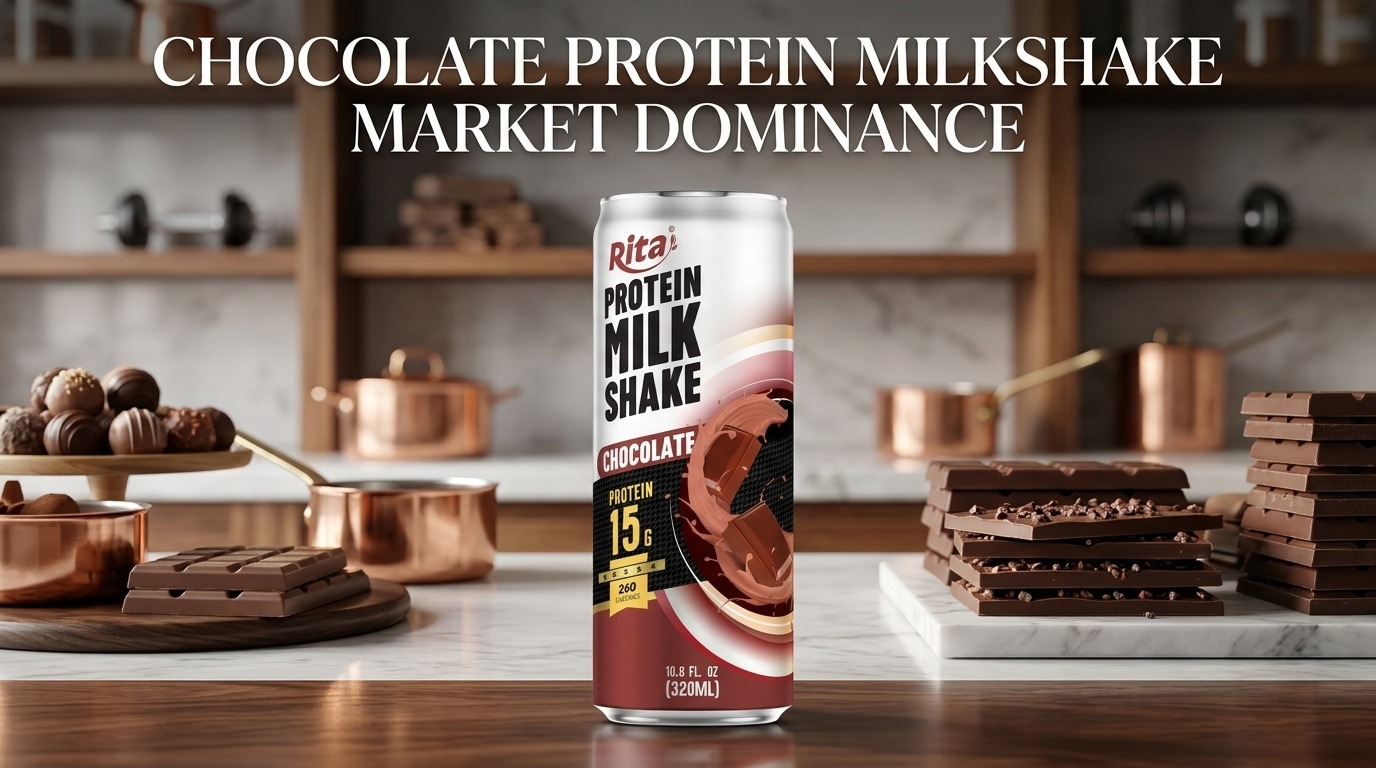
The global beverage industry is witnessing a structural shift toward products that combine indulgence with nutritional density. Among the most prominent categories, the chocolate protein milkshake has emerged as a dominant force, appealing to both health-conscious consumers and mainstream snackers. For importers, distributors, and wholesalers, understanding the underlying trends of this segment is critical for strategic inventory planning and market expansion.
Key Takeaways
- The chocolate protein milkshake segment benefits from universal flavor appeal and rising demand for convenient, protein-enriched drinks.
- North America and Europe represent high-growth markets driven by sports nutrition, on-the-go consumption, and clean-label preferences.
- Technical innovations in shelf-stable processing and packaging enable efficient global trade, reducing logistical barriers for B2B partners.
- Private label and OEM solutions allow buyers to differentiate their brand while leveraging established production expertise.
The Rise of Protein-Enriched Milk Drinks
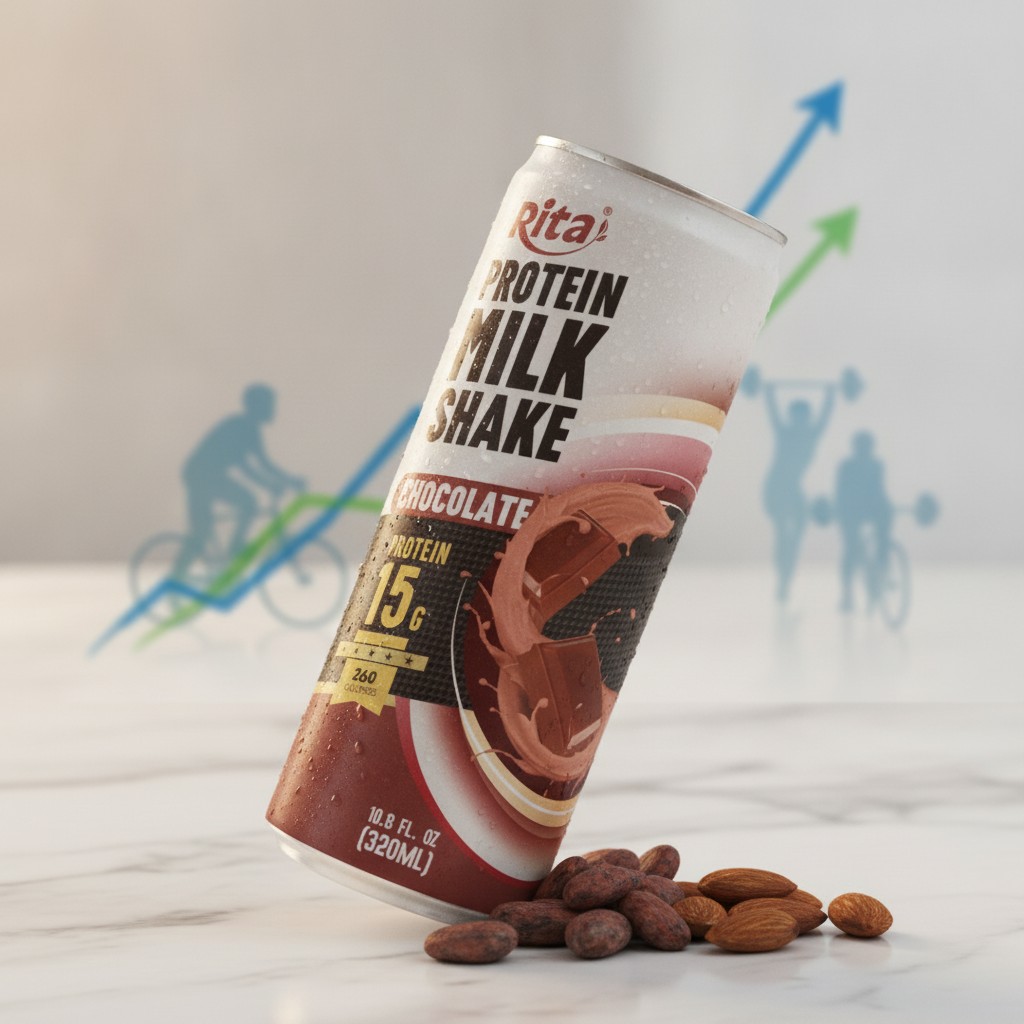
The functional dairy segment has evolved beyond simple flavored milk. Today, protein milkshakes are positioned as a premium category that bridges the gap between refreshment and nutrition. Market data indicates that global sales of ready-to-drink (RTD) protein beverages have grown at a compound annual rate exceeding 8% over recent years, with chocolate variants accounting for the largest share.
This growth is fueled by lifestyle changes: consumers seek portable, no-prep options that deliver satiety without sacrificing taste. The chocolate protein milkshake fits this need perfectly, offering a familiar, indulgent flavor profile that masks the functional nature of the drink. For B2B buyers, this translates into a low-risk product with high repeat purchase potential.
Chocolate Flavor: The Universal Driver of Consumer Preference
Flavor choice is the single most important factor in repeat sales of dairy-based beverages. Chocolate consistently ranks as the top flavor globally, from the United States to Europe and across Asia. Unlike fruit or botanical flavors, which may have regional preferences, chocolate enjoys near-universal acceptance.
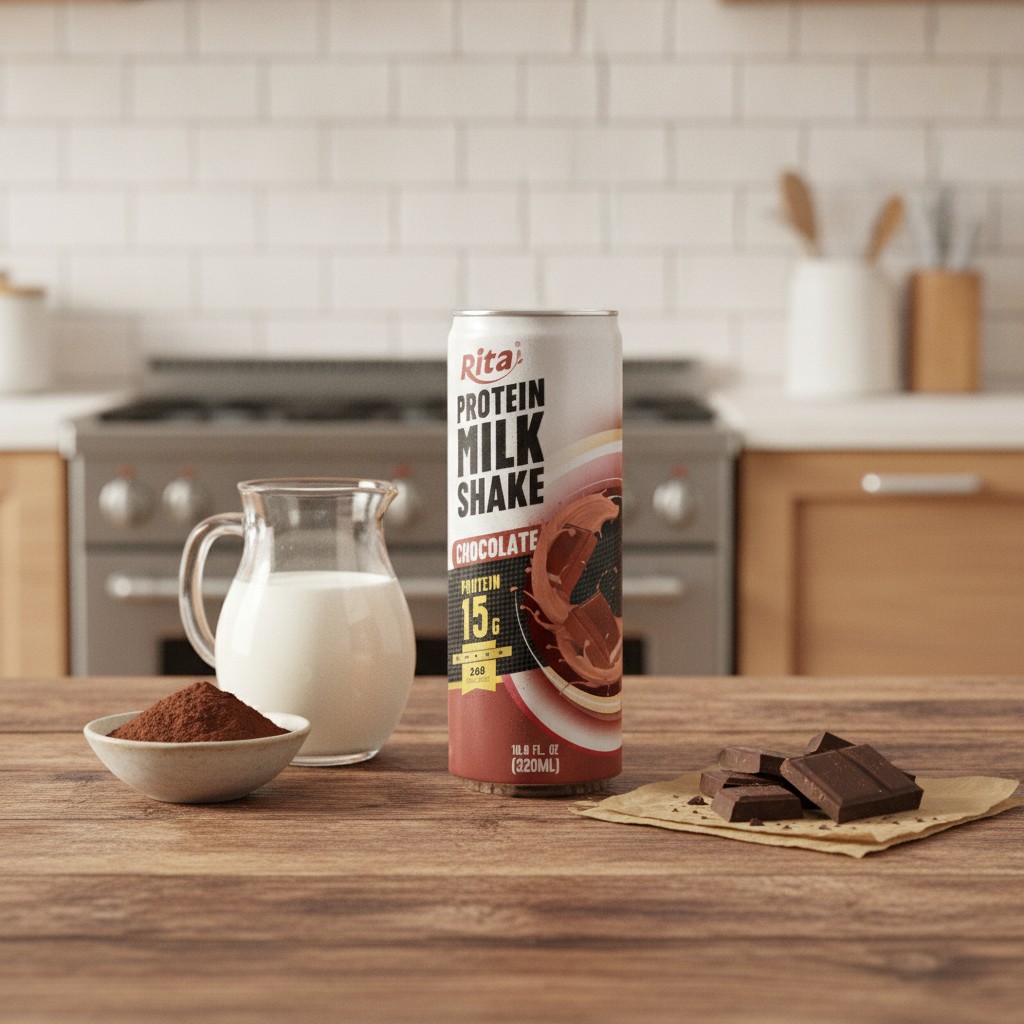
Integrating a rich cocoa profile into a high-protein formulation addresses what industry experts call the ‘permissible indulgence’ trend. Consumers want to enjoy a treat-like experience without guilt, and a chocolate protein milkshake delivers exactly that. For distributors, this means a product that can be placed in multiple channels: gyms, convenience stores, supermarkets, and vending machines.
Why Chocolate Works for Functional Beverages
The natural bitterness of cocoa interacts well with protein isolates, creating a balanced mouthfeel that avoids the chalky texture often associated with protein powders. Advanced homogenization techniques ensure a smooth, creamy consistency even after long-term shelf storage. This technical reliability is essential for global supply chains where temperature fluctuations and transport durations vary.
Market Opportunities in the United States and Europe
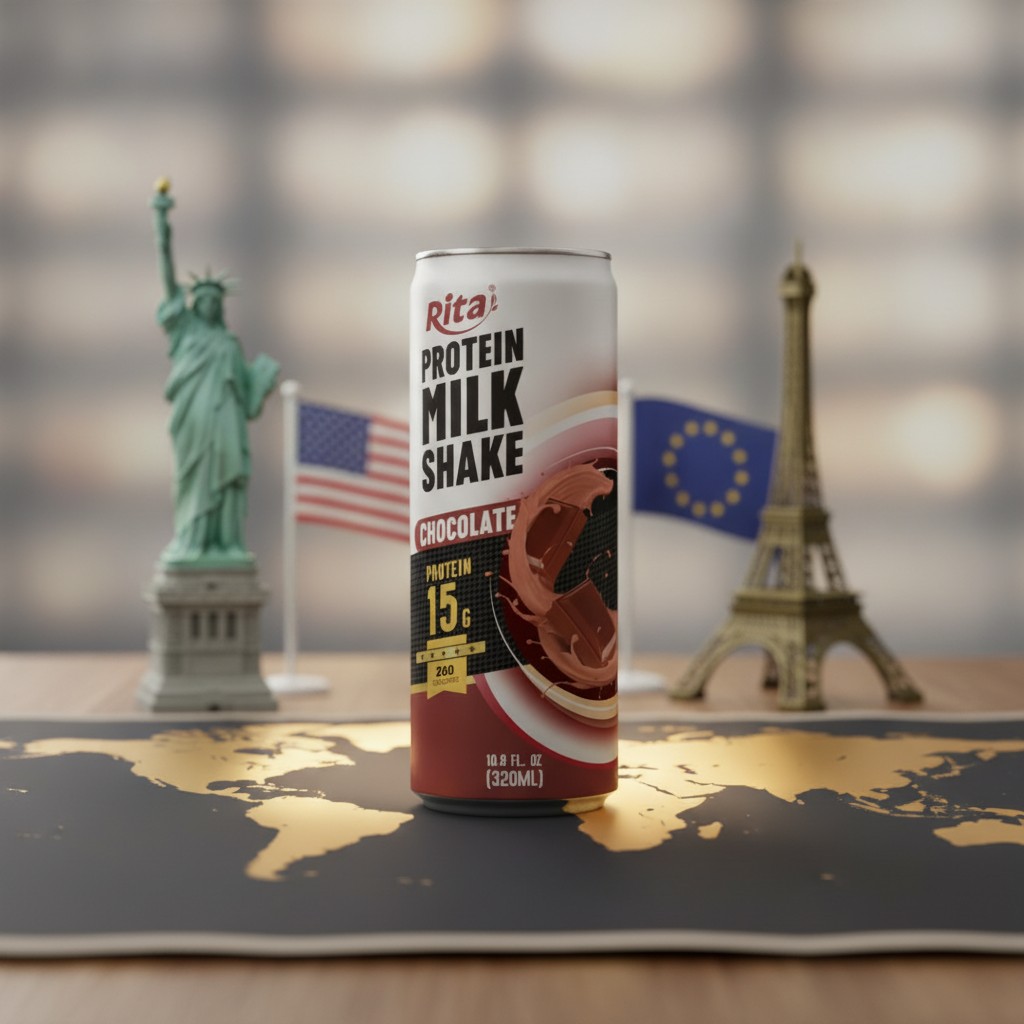
Two regions offer the most immediate opportunities for chocolate protein milkshake products: the United States and Europe. Each has distinct consumer drivers but shares a common demand for convenient, protein-rich beverages.
United States: Sports Nutrition Meets Everyday Snacking
In the US, the protein beverage market is heavily influenced by the fitness and sports nutrition sector. However, a broader consumer base—students, office workers, and active adults—now uses these drinks as meal replacements or post-workout recovery. The convenience of a 320ml sleek can fits the on-the-go lifestyle. American buyers are also increasingly interested in clean-label products with recognizable ingredients. A chocolate protein milkshake that uses real cocoa and avoids artificial sweeteners aligns with this trend.
Distribution channels in the US include specialty sports nutrition stores, large grocery chains, and e-commerce platforms. For importers, working with a supplier that offers flexible packaging options—such as can sizes from 200ml to 500ml—enables targeted placement. Rita Food & Drink provides such versatility, with over 25 years of experience in the milk drink category.
Europe: Premium Positioning and Functional Dairy Growth
European consumers prioritize quality and origin. The demand for high-protein products in countries like Germany, France, and the UK has expanded beyond athletes to include older adults and weight-management seekers. Chocolate-flavored protein milkshakes are particularly popular in the UK and Scandinavia, where dairy consumption is high.
European retailers often require certifications such as BRC, FSSC 22000, or HALAL. Rita’s facilities hold these certifications, ensuring compliance with strict import standards. The 330ml can size is standard for Western European markets, and private label services allow local brands to launch their own protein milk drinks without investing in manufacturing infrastructure.
Technical Considerations for Global Distribution
Shelf stability and packaging integrity are non-negotiable for cross-border trade. A chocolate protein milkshake must maintain its flavor, texture, and nutritional profile over months of transport and warehousing. Rita’s advanced homogenization and aseptic processing prevent separation of cocoa and dairy components, a common issue with lower-quality products.
Packaging formats also matter. Sleek aluminum cans offer barrier protection against light and oxygen, extending shelf life to 12 months or more. For B2B partners, this reduces inventory write-offs and allows efficient rotation. The 320ml size is particularly optimized for shelf space in retail environments, maximizing revenue per linear foot.
Scalable Production and Private Label Flexibility
Rita Food & Drink operates over 50 production lines across 30,000 sqm of factory space, with capacity exceeding 1,200 containers per month. This scale enables competitive pricing even for custom formulations. Buyers can adjust sweetness level, cocoa intensity, or protein content to suit their target market. OEM and ODM services cover everything from concept development to final packaging design.
For global distributors, partnering with a manufacturer that understands international logistics is a strategic advantage. Rita’s export experience spans more than 100 countries, with dedicated teams for each region. This ensures smoother customs clearance and faster time-to-market.
B2B Strategic Advantages of the Rita Protein Milkshake
Choosing the right product for your portfolio involves more than flavor. The Protein Milkshake Chocolate Flavor offers a combination of universal taste appeal, technical reliability, and supply chain readiness. For wholesalers and importers eyeing the US or European markets, this product serves as a cornerstone for building a functional dairy range.
Rita’s OEM service allows you to launch a proprietary brand without the capital expenditure of building a factory. With low minimum order quantities and rapid sampling, even mid-sized distributors can test the market with minimal risk. The chocolate variant, in particular, has proven to be the top-selling SKU among Rita’s protein drink portfolio.
Frequently Asked Questions
What is the shelf life of a chocolate protein milkshake in a can?
Typically 12 months when stored in a cool, dry place. The aseptic processing and aluminum can packaging protect the product from spoilage.
Can I customize the protein content or sweetness for my market?
Yes. Rita offers OEM and ODM services where you can adjust the formulation, including protein level (e.g., 15g or higher), sugar content, and cocoa intensity.
What certifications do you have for export to Europe or the US?
Rita holds BRC, FSSC 22000, ISO, HALAL, KOSHER, and other certifications. Products comply with FDA standards for the US market.
What is the minimum order quantity (MOQ) for private label production?
MOQ varies by packaging type and formulation complexity. Typically, one 20-foot container (approx. 1,500-2,000 cases) is standard, but smaller trial runs are negotiable.
How does the chocolate flavor compare to other protein shakes on the market?
The product uses high-quality cocoa extracts for a genuine, rich taste without artificial notes. Advanced homogenization ensures a smooth, creamy texture similar to premium chocolate milk.
For importers and distributors evaluating their next product line, the chocolate protein milkshake category represents a balanced opportunity. It combines high consumer demand with proven supply chain compatibility. By sourcing from an experienced partner like Rita, businesses can accelerate market entry and build a strong foothold in the functional dairy segment.
