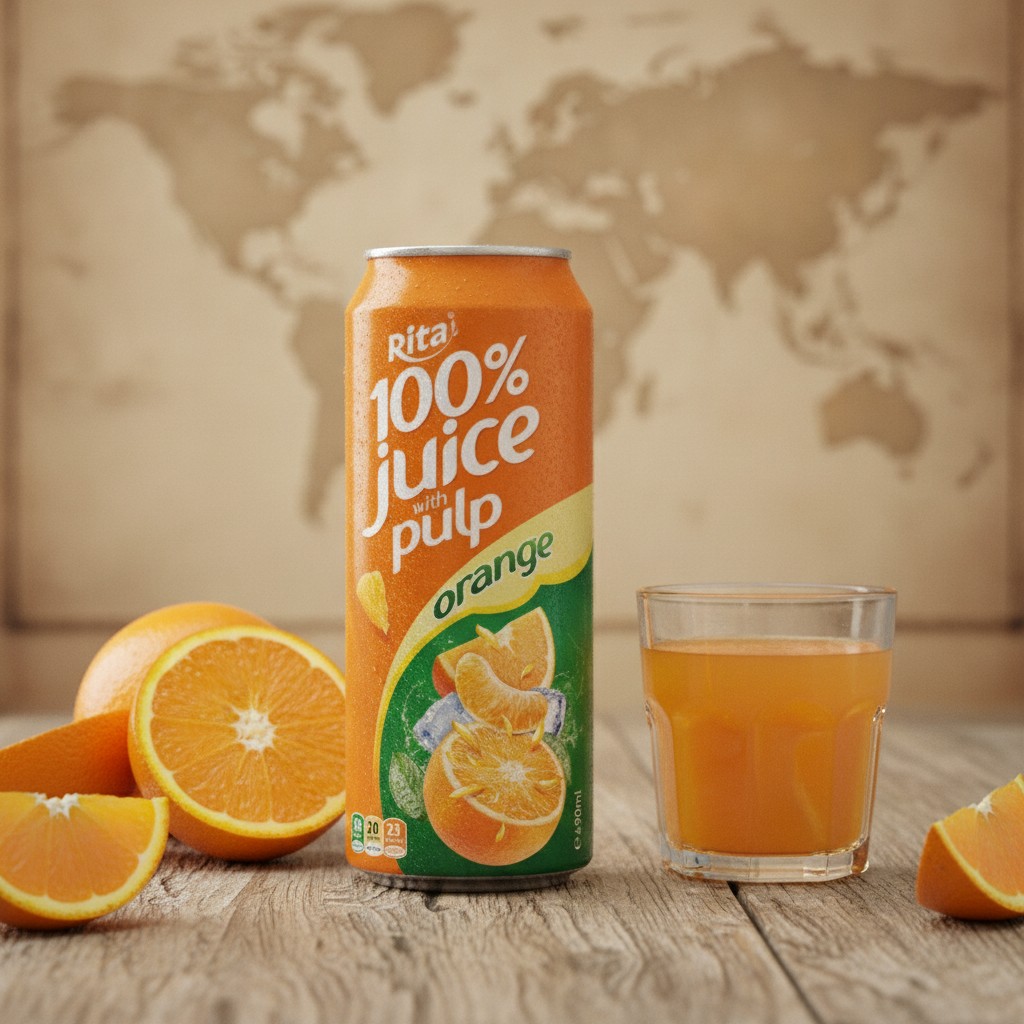
The global beverage industry continues to evolve, driven by shifting consumer preferences and a growing appetite for natural, minimally processed drinks. Among the most resilient segments is the orange juice category, with the 100% orange juice drink USA market and European counterparts experiencing steady demand from both retail and foodservice channels. This article explores the key trends, opportunities, and strategic considerations for importers, distributors, and wholesalers looking to capitalize on this momentum.
Key Takeaways
- The 100% orange juice drink USA market is expanding due to rising consumer interest in transparent labeling and authentic fruit content.
- European markets favor premium, sustainably sourced orange juice drinks, creating openings for suppliers with strong certifications.
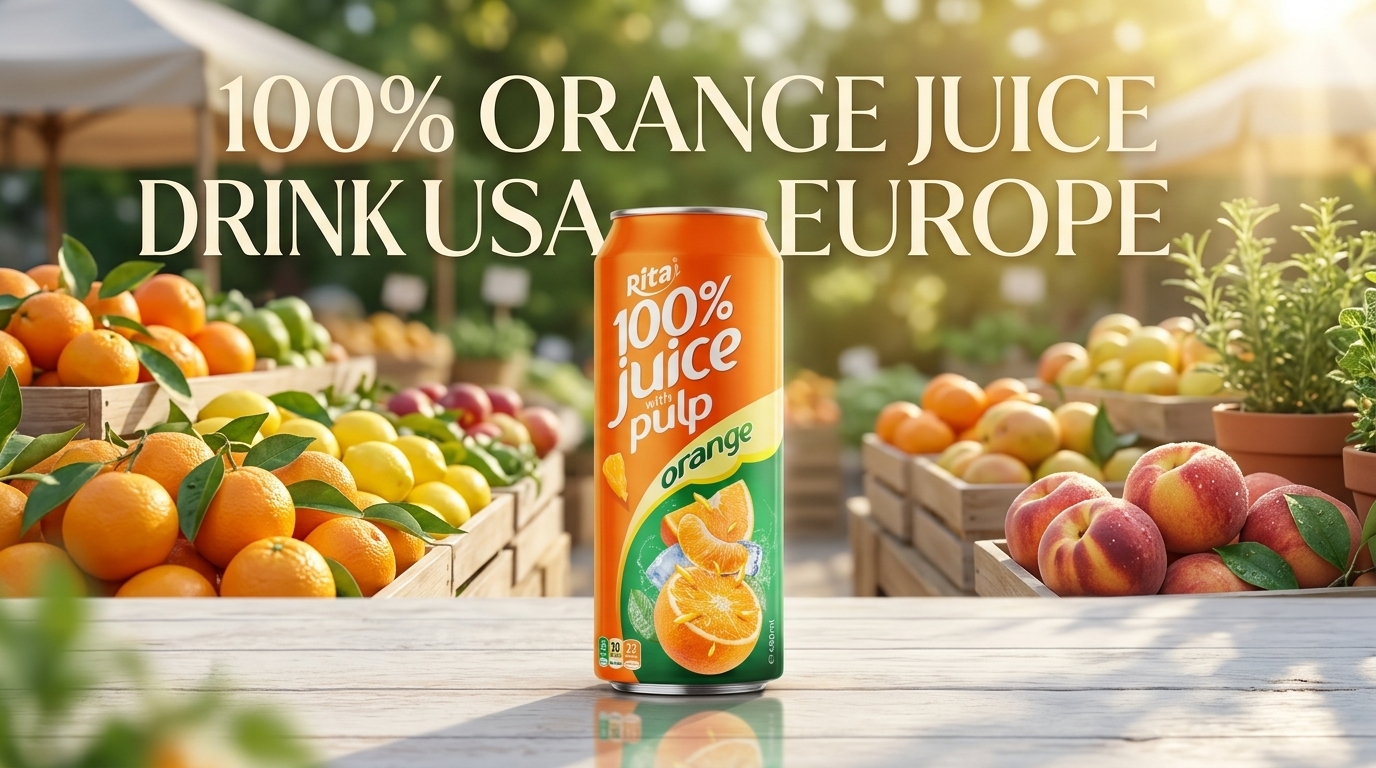
- Convenience packaging, such as 500ml aluminum cans, is gaining traction in on-the-go consumption and hospitality segments.
- Vietnam-based manufacturers like RITA offer competitive advantages in OEM/ODM, quality compliance, and scalable production for global buyers.
Orange Juice Market Dynamics in the USA and Europe
Consumer behavior in the USA and Europe shows a clear shift toward beverages with simple ingredient lists and no added sugars. The 100% orange juice drink USA market benefits from this trend, as products labeled “100% juice” align with the clean-label movement. According to industry reports, orange juice remains a staple in American households, with annual per capita consumption hovering around 15 liters. In Europe, the market is more fragmented, with premium brands gaining share in countries like Germany, France, and the UK.
Importers and distributors are increasingly seeking reliable supply partners who can deliver consistent quality and meet strict regulatory standards. For example, the U.S. Food and Drug Administration (FDA) requires that any beverage labeled “100% juice” contains no added sweeteners or preservatives. European Union regulations similarly mandate clear origin labeling and compliance with maximum residue levels for pesticides. Suppliers like RITA, with certifications such as BRC, FSSC 22000, and USDA Organic, are well-positioned to serve these markets.
Opportunities for 100% Orange Juice Drink in the USA
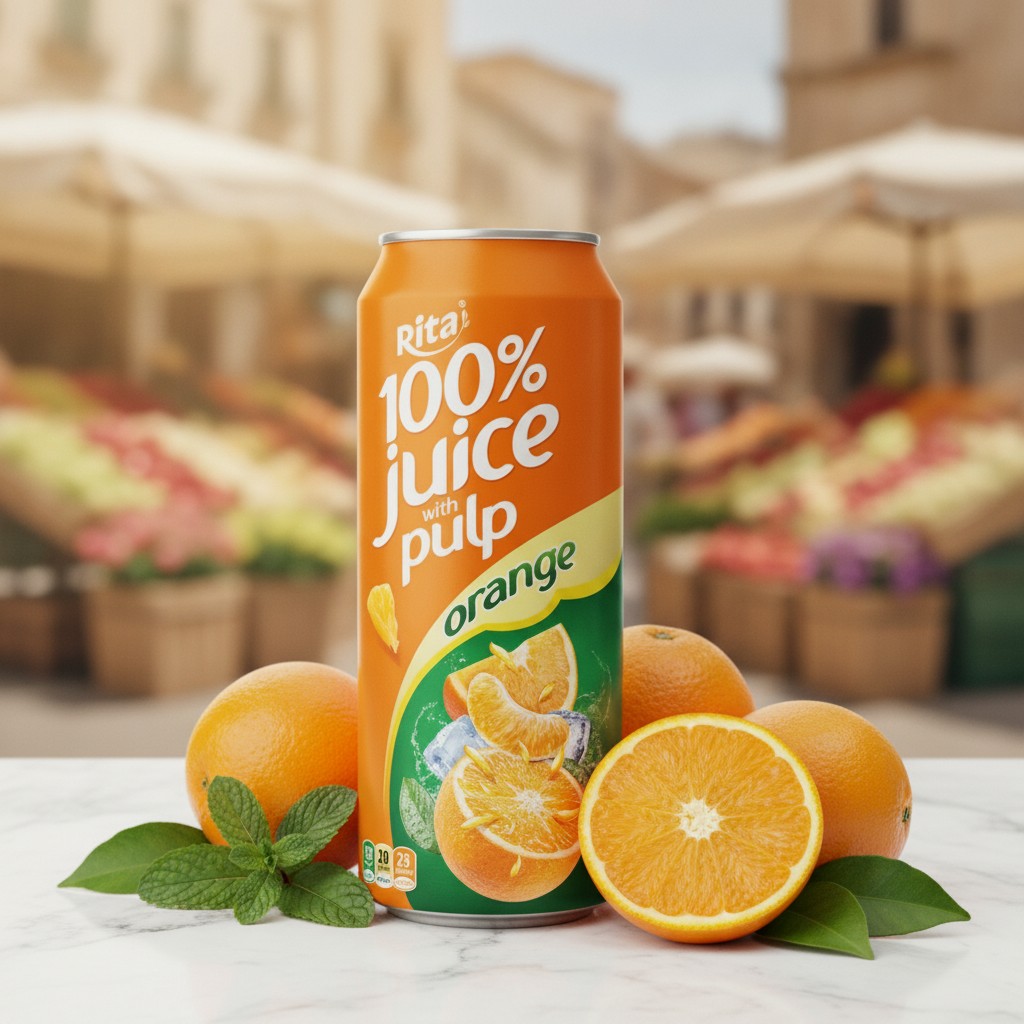
The United States represents a massive opportunity for orange juice beverages, particularly in the foodservice and convenience retail channels. The rise of quick-service restaurants (QSRs) and cafés offering fresh-squeezed or premium juice options has boosted demand for single-serve cans. A 500ml aluminum can of 100% orange juice drink is ideal for this segment—portable, shelf-stable, and recyclable. Distributors can target independent coffee shops, hotel chains, and vending machine operators seeking a premium yet cost-effective juice option.
Another growing channel is e‑commerce. Online grocery sales in the USA exceeded $100 billion in 2024, and shelf-stable juice packs are well-suited for direct-to-consumer fulfillment. Bulk orders of 100% orange juice drink in 500ml cans can be efficiently palletized and shipped to fulfillment centers across the country.
European Trends and Consumer Preferences
European consumers display a higher willingness to pay for beverages with environmental certifications. The 100% orange juice drink USA market may share similar clean-label expectations, but European buyers often prioritize organic, fair-trade, and carbon-neutral claims. Products from Vietnamese manufacturers like RITA, which offer HALAL and KOSHER certifications, can appeal to the Middle Eastern diaspora populations in Europe, particularly in France and the UK.
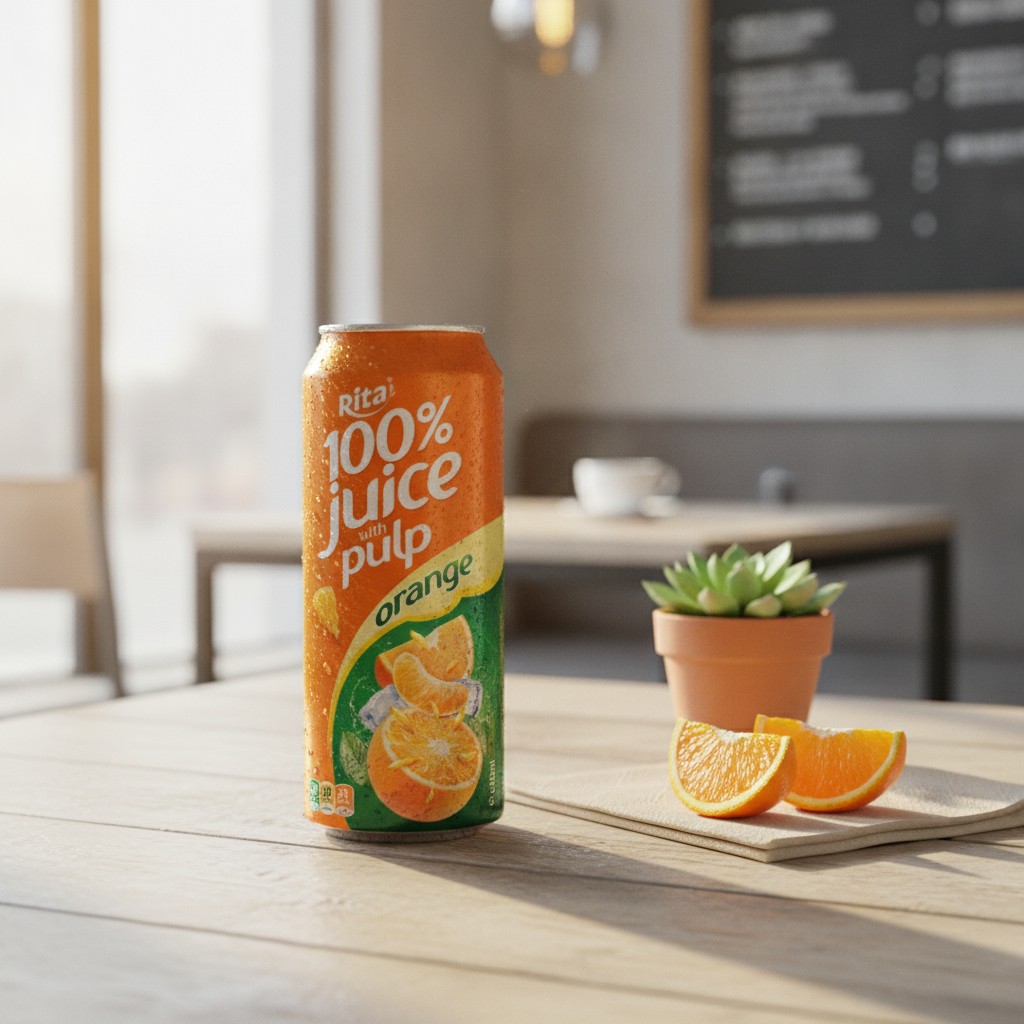
Packaging innovation is another critical factor. European retailers are increasingly rejecting plastic bottles due to environmental concerns, pushing brands toward aluminum cans and cartons. The 500ml can format, exactly as offered by RITA, aligns with the EU’s Single-Use Plastics Directive. Importers can position this product as a sustainable alternative to PET bottles, targeting eco-conscious retailers and hospitality groups.
Production Capabilities and OEM/ODM Advantages
When evaluating suppliers for the 100% orange juice drink USA market, buyers look for three core competencies: quality consistency, production capacity, and flexibility in packaging customization. RITA Food & Drink Co., Ltd., a leading Vietnamese manufacturer, meets these criteria with over 50 production lines, a monthly capacity of ~1,200 containers, and a 30,000 m² factory footprint.
The company specializes in OEM/ODM solutions, allowing importers to develop private-label 100% orange juice drink tailored to local tastes. For example, sweetness levels, acidity, and orange variety can be adjusted. Packaging options extend beyond 500ml cans to include PET, glass, and PP bottles in various sizes. Such flexibility is particularly valuable for distributors serving multiple retail banners with distinct branding requirements.
Why the 500ml Can Format Works for Global Trade
- Shelf stability: Aluminum cans protect juice from light and oxygen, extending shelf life without refrigeration—a key advantage for long‑distance shipping.
- Convenience: The 500ml size is ideal for single servings, fitting consumer habits for on‑the‑go consumption.
- Recyclability: Aluminum is infinitely recyclable, meeting sustainability goals of major retailers in the USA and Europe.
For wholesalers, the can format also simplifies logistics. A standard 20‑foot container can hold approximately 20,000 500ml cans, depending on packing configuration. This density reduces per‑unit shipping costs, a critical factor when competing with domestic juice producers in the USA or Europe.
Quality and Compliance: Non‑Negotiable Standards
Entering the 100% orange juice drink USA market requires adherence to rigorous food safety standards. RITA’s facilities maintain ISO, HACCP, HALAL, KOSHER, BRC, FSSC 22000, and organic certifications (USDA, EU). This suite of credentials streamlines the import verification process—U.S. Customs and Border Protection (CBP) and the FDA routinely audit juice imports, and having pre‑certified documentation reduces detention risks.
European importers similarly benefit from BRC certification, which is often a prerequisite for listing in major supermarket chains like Tesco, Carrefour, or Edeka. RITA’s ability to provide full traceability from farm to finished product aligns with the EU’s Farm to Fork strategy.
Market Entry Strategy for Distributors
To successfully launch a private-label 100% orange juice drink in the USA or Europe, distributors should consider the following steps:
- Select target channels: Focus on foodservice (cafés, hotels, canteens) and convenience retail (vending, grab‑and‑go coolers) where can‑based juices have high sell‑through.
- Differentiate through origin story: Highlight the Vietnamese sourcing and the use of premium oranges from partner farms—a narrative that resonates with consumers seeking authentic, tropical flavors.
- Leverage OEM support: Use RITA’s R&D team to create a unique recipe (e.g., low‑acid, blood orange blend) that stands out on crowded store shelves.
- Price competitively: Vietnamese manufacturing costs are among the lowest globally, enabling attractive wholesale prices while maintaining quality.
For more information on beverage solutions, visit RITA’s fruit juice product line or explore the fruit juice category for additional SKUs.
Frequently Asked Questions
What is the difference between orange juice drink and 100% orange juice?
Orange juice drink typically contains added water, sugar, and sometimes other juices or flavors. In contrast, 100% orange juice is pure juice from oranges with no added sweeteners or preservatives. Regulations in the USA and Europe strictly define labeling requirements for 100% juice products.
Can 500ml cans of orange juice drink be exported to Europe?
Yes, provided the product meets EU food safety regulations, including maximum pesticide residues, additive limits, and labeling requirements. Suppliers with BRC or FSSC 22000 certifications, like RITA, simplify the compliance process for European importers.
What are typical MOQs for private-label orange juice drink?
Minimum order quantities vary by supplier. RITA offers flexible MOQs for OEM/ODM projects, accommodating both trial runs and large‑scale commercial orders. Importers should discuss volume requirements during initial negotiations.
How does the 500ml can compare to other packaging for orange juice?
Aluminum cans offer superior protection against light and oxygen, preserving flavor and extending shelf life without refrigeration. They are also lighter than glass and more recyclable than PET, making them an increasingly popular choice among environmentally conscious brands.