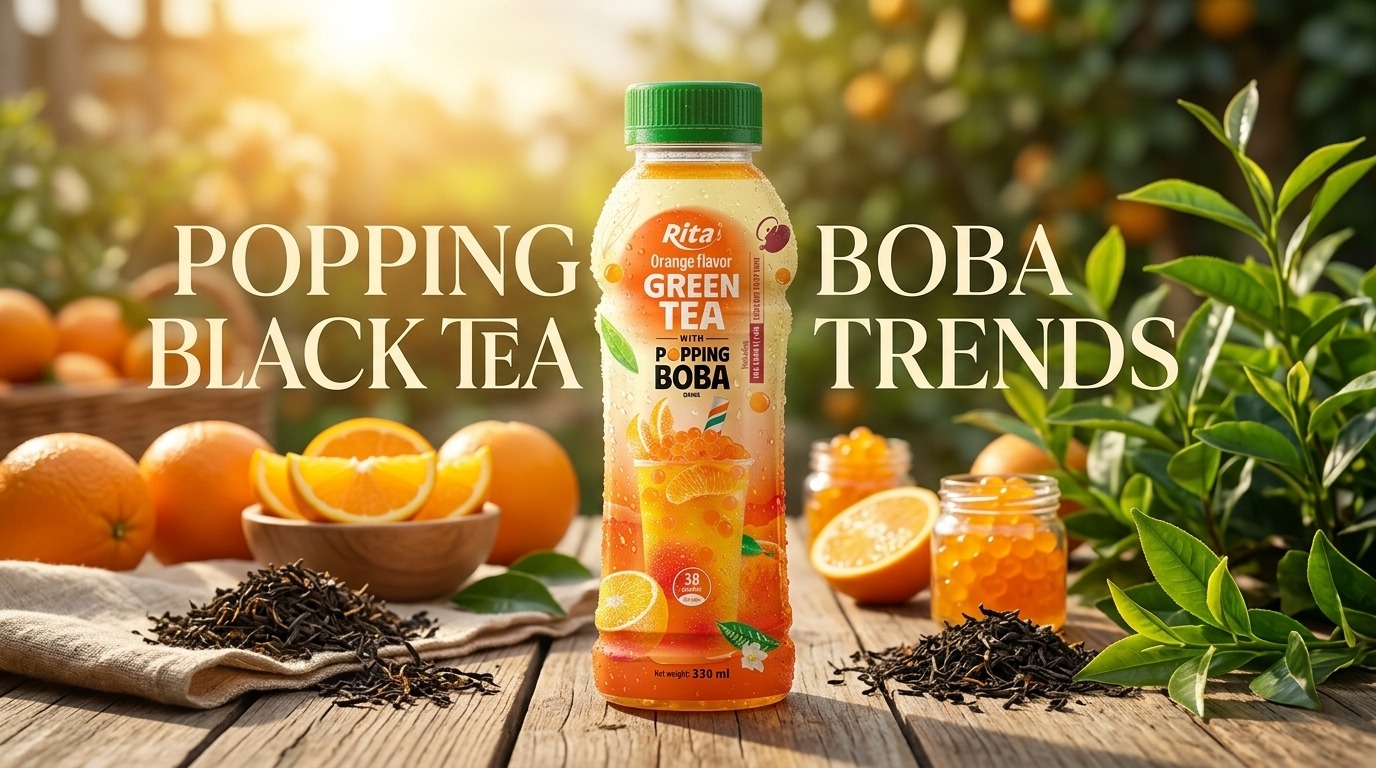
The global beverage industry continues to evolve, with innovative formats capturing consumer attention across mature markets. Among the most dynamic segments is the ready-to-drink (RTD) tea category, particularly those incorporating textured elements like popping boba. Products such as the Supplier Company Popping Boba Black Tea With Orange Flavor illustrate how traditional tea is being reinvented for modern palates. For importers, distributors, and beverage entrepreneurs in the United States and Europe, understanding the popping boba black tea market trends is essential to capitalizing on this growing category.
This article provides an in-depth analysis of the market landscape, consumer preferences, and supply chain considerations for RTD black tea with popping boba. It uses the Rita Popping Boba Black Tea with Orange Flavor 330ml PET Bottle as a representative product to highlight production capabilities, packaging innovations, and sourcing opportunities. The focus is on actionable insights for B2B buyers looking to expand their portfolios with differentiated tea drinks.
Key Takeaways
- The global RTD tea market is projected to exceed $40 billion by 2028, with fruit-flavored and textured variants driving growth.
- Popping boba black tea market trends show strong demand in the US and Europe, especially among Gen Z and millennial consumers seeking novel sensory experiences.
- Products with a 18-month shelf life and lightweight PET packaging offer logistical advantages for long-distance import.
- Vietnam-based manufacturers like Rita Food & Drink Co., Ltd provide OEM/ODM capabilities that enable custom formulations and branding for international buyers.
- Strategic partnerships with established suppliers reduce time-to-market and ensure compliance with food safety standards like ISO, HACCP, and FDA.
Market Overview: RTD Black Tea with Popping Boba in the US and Europe
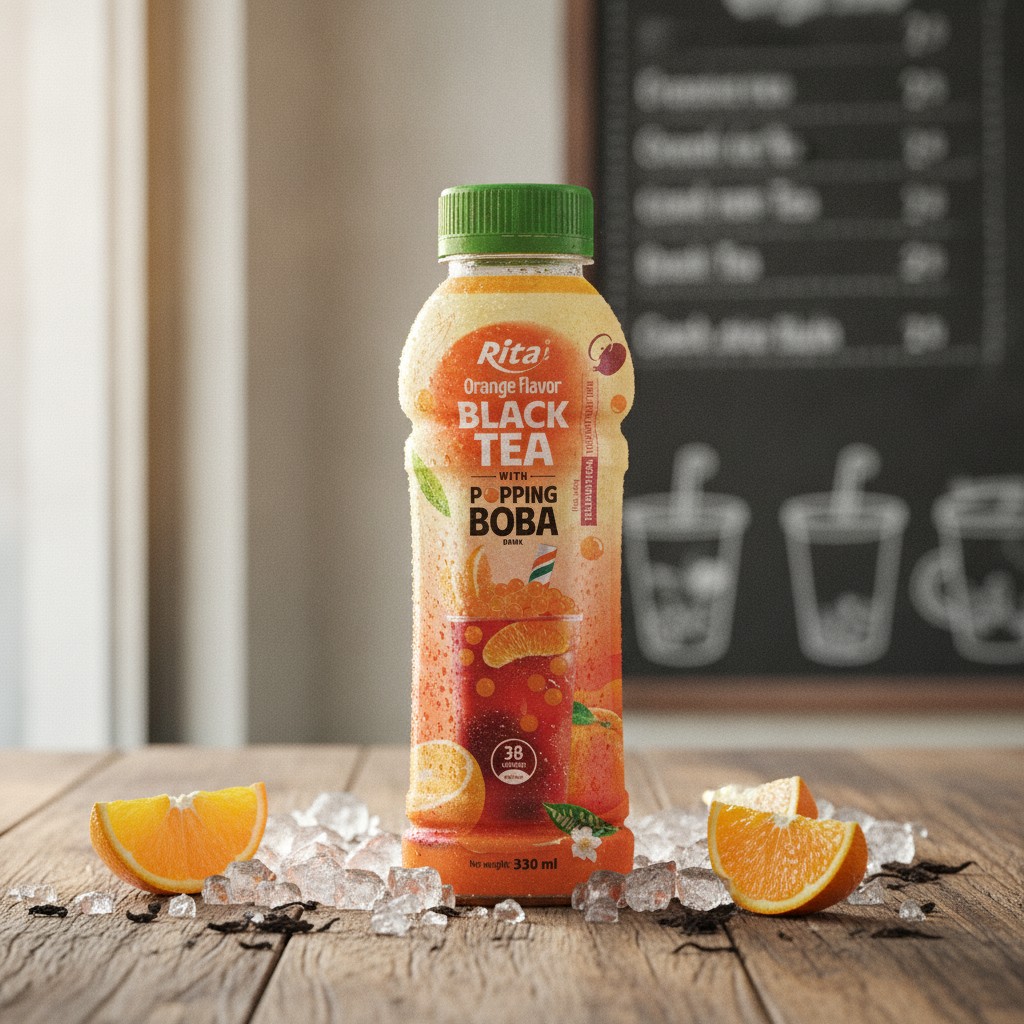
The US and European markets are witnessing a shift from traditional carbonated soft drinks toward premium, functional, and experiential beverages. RTD tea, especially black tea blends, has gained significant traction due to its perceived sophistication and versatility. Adding popping boba—juice-filled pearls that burst upon consumption—transforms a simple tea drink into an interactive product. This aligns with consumer desire for unique textures and ‘Instagrammable’ moments.
According to recent industry reports, the US RTD tea market was valued at approximately $8 billion and is growing at a CAGR of 5-6%, with fruit-flavored teas capturing the largest share. In Europe, the market is slightly smaller but expanding rapidly, driven by health-conscious consumers who appreciate natural fruit flavors. The combination of black tea and orange is particularly appealing because it offers a familiar citrus note with the robust tea base. For distributors, introducing a product like the Supplier Company Popping Boba Black Tea With Orange Flavor can differentiate their portfolio from standard iced teas.
Consumer Preferences and Demographics
The primary target audience for popping boba tea in the US and Europe is Gen Z and younger millennials (ages 18-35). These consumers are adventurous, spend on premium beverages, and actively seek new products to share on social media. Flavor innovation is key: orange is a universally accepted fruit, but brands can also explore lime, berry, or tropical blends. The popping boba adds a textural surprise that encourages repeat purchases.
Another important segment is the Asian diaspora and bubble tea enthusiasts who already appreciate bobas. In cities like New York, London, and Los Angeles, bubble tea shops have normalized pearl-based drinks, making RTD versions a convenient alternative. Retail channels include specialty grocery stores, convenience chains, and online platforms. For European importers, the product fits well into the ‘exotic’ beverage category that is popular in countries like Germany, France, and the Netherlands.
Opportunities for US and European Importers
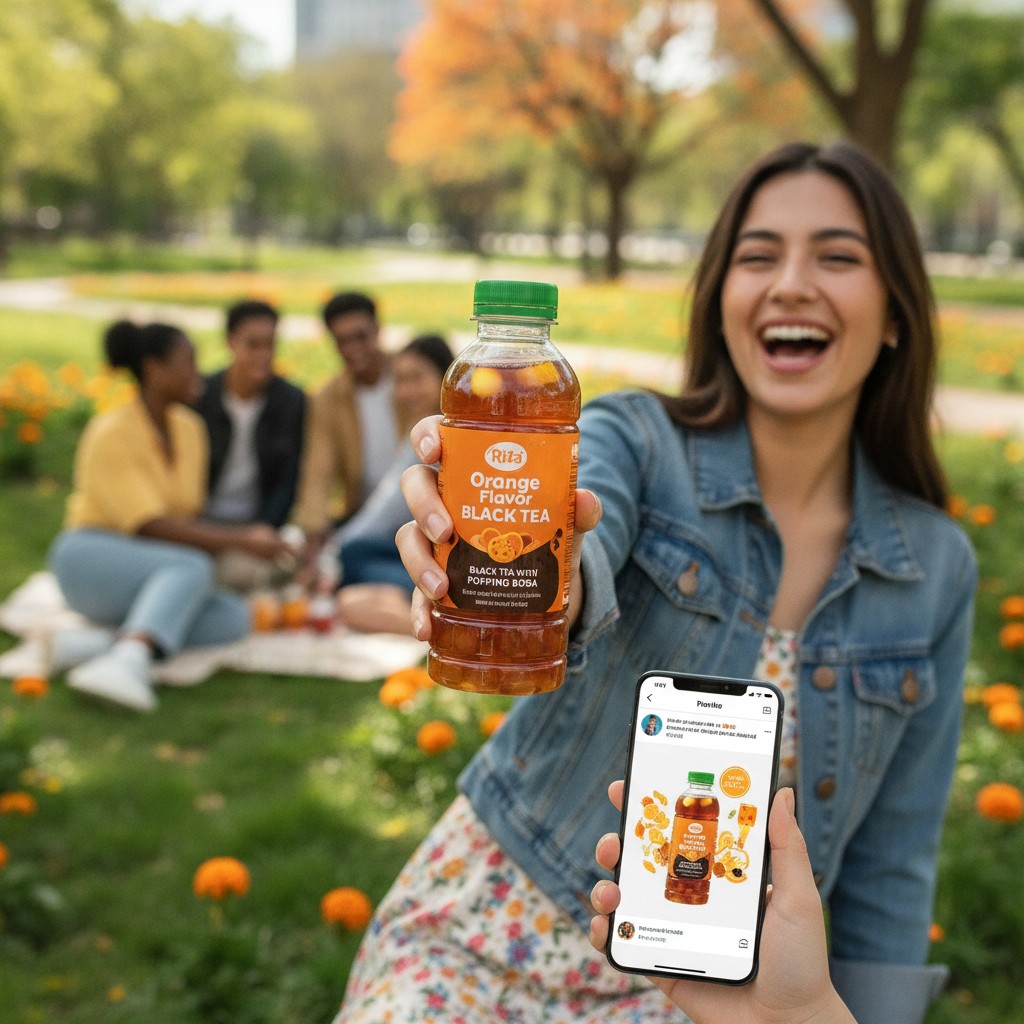
The success of a new beverage line depends on product differentiation, supply chain reliability, and regulatory compliance. Importers in the US and Europe can leverage the growing popping boba black tea market trends by partnering with established manufacturers who offer turnkey solutions. Rita Food & Drink Co., Ltd, for example, provides OEM/ODM services that allow buyers to customize sweetness levels, boba size, and packaging design. Their 330ml PET bottle is an ideal size for single-serve retail—lightweight, shatterproof, and with a 18-month shelf life that accommodates sea freight.
For US buyers, the FDA compliance requirements are strict. Rita’s products are manufactured under HACCP and ISO certifications, and their facility meets FSSC 22000 standards. This simplifies the import process. European buyers benefit from BRC certification and Halal/Kosher options, making the product suitable for diverse markets. Additionally, Vietnam enjoys duty-free access under the EU-Vietnam Free Trade Agreement (EVFTA), reducing landed costs for European importers.
Packaging and Logistics Advantages
The lightweight PET bottle reduces shipping weight compared to glass or cans, lowering freight expenses. The 330ml volume is standard for single-serve beverages in both the US (11.2 fl oz) and Europe (330ml). The bright orange branding on the popping boba black tea orange flavor appeals to point-of-sale visibility. For private label, Rita can modify the label design to match a distributor’s brand identity.
Another logistical advantage is the production capacity: Rita’s factory can handle up to 1,200 containers monthly, ensuring timely fulfillment for bulk orders. MOQs are flexible, allowing both trial runs and large-scale distribution. This flexibility is crucial for importers testing the market before committing to larger volumes.
Production Capabilities and Quality Assurance
When evaluating suppliers for popping boba black tea market trends, quality consistency is non-negotiable. Rita uses premium black tea leaves sourced from high-quality plantations and infuses natural orange flavor to achieve a balanced profile. The popping boba employs innovative encapsulation technology that maintains texture through bottling and transportation. Each batch undergoes stringent quality control to ensure uniform boba size and reliable popping effect.
The company’s 50+ production lines, 30,000 m² facility, and 500+ employees reflect an industrial-scale operation capable of serving global demand. Certifications including ISO, HACCP, HALAL, KOSHER, BRC, and FSSC 22000 provide importers with the documentation needed for customs clearance and retail listings. For US buyers, FDA registration is also maintained.
Customization Options for Private Label
Rita’s OEM/ODM services extend beyond flavor formulation. Buyers can choose from various packaging formats: PET bottles (330ml, 400ml, 500ml, 1L), cans, or cartons. The company supports label design, barcode generation, and even concept development. This is particularly valuable for European distributors who want to launch a branded boba black tea with orange flavor without investing in their own manufacturing.
Minimum order quantities are negotiable, but typical starting points are 1x20ft container for new products. With a 18-month shelf life, inventory management is straightforward. The product also withstands temperature variations, suitable for ambient distribution.
How to Source and Partner with a Reliable Supplier
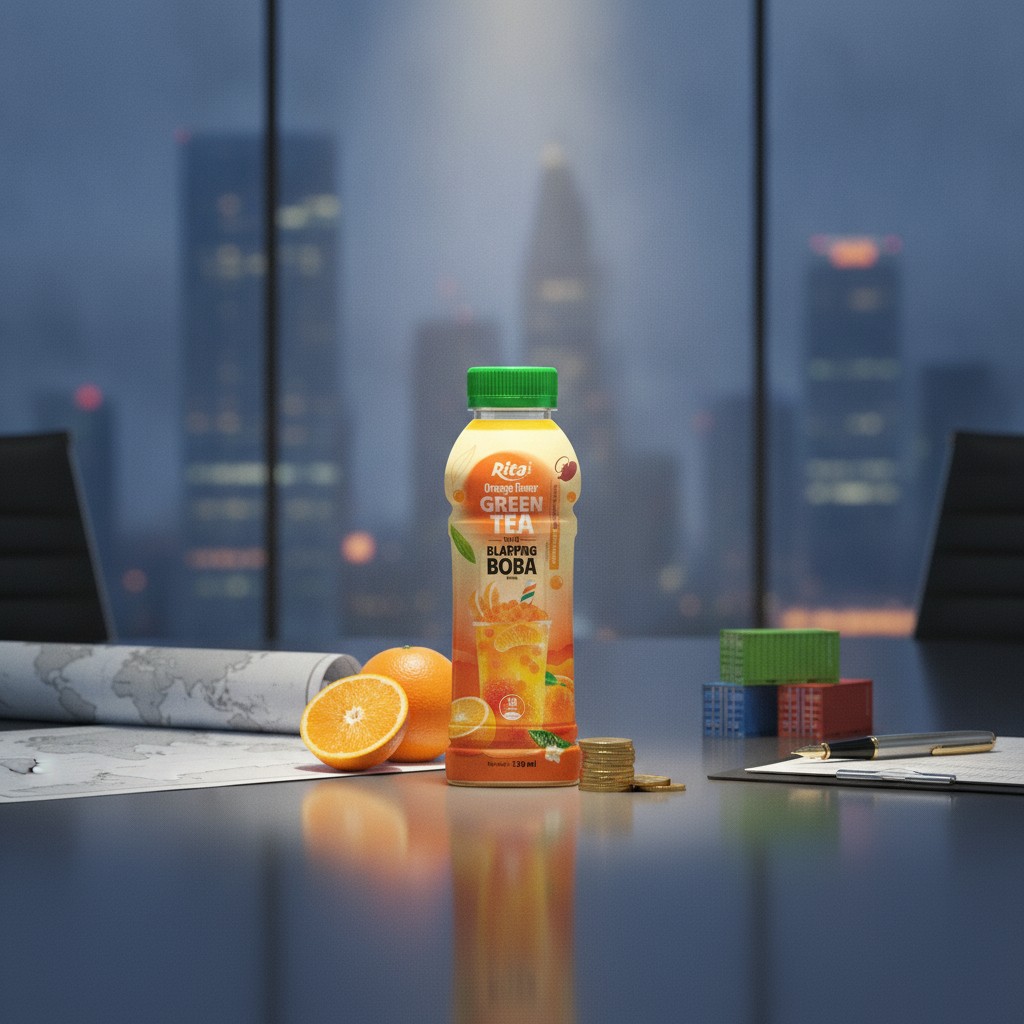
For importers interested in the popping boba black tea market trends, due diligence is essential. Key steps include: requesting samples, reviewing certification portfolios, and verifying production capacity. Rita Food & Drink Co., Ltd offers sample shipments to assess flavor and boba quality. They also provide factory audits via video or in-person visits.
Once a partner is selected, the next step is to discuss formulation tweaks. For example, the sweetness level can be adjusted for European palates, or the orange intensity can be increased for the US market. Rita’s R&D team works closely with clients to develop a profile that meets regional expectations. After finalizing the recipe, production lead times are typically 30-45 days for first orders, with ongoing shipments faster.
Importers should also consider logistics partners experienced in handling beverages. The lightweight PET bottle reduces weight, but care must be taken to avoid stacking damage during container loading. Rita provides packaging guidelines and can arrange FOB or CIF terms. Their global shipping network covers major ports in the US (Los Angeles, New York, Savannah) and Europe (Rotterdam, Hamburg, Felixstowe).
Frequently Asked Questions
Conclusion
The popping boba black tea market trends present a clear opportunity for US and European beverage importers to diversify their offerings with a product that combines tea tradition, fruit flavor, and fun texture. Rita Popping Boba Black Tea with Orange Flavor exemplifies how a Vietnamese manufacturer can deliver a high-quality, customizable RTD that meets international standards. By acting now, distributors can secure a first-mover advantage in an increasingly competitive segment.
To explore sourcing options, visit the product page for Supplier Company Popping Boba Black Tea With Orange Flavor or learn more about Rita’s OEM service and ODM service capabilities. For broader category exploration, see their tea drinks collection.